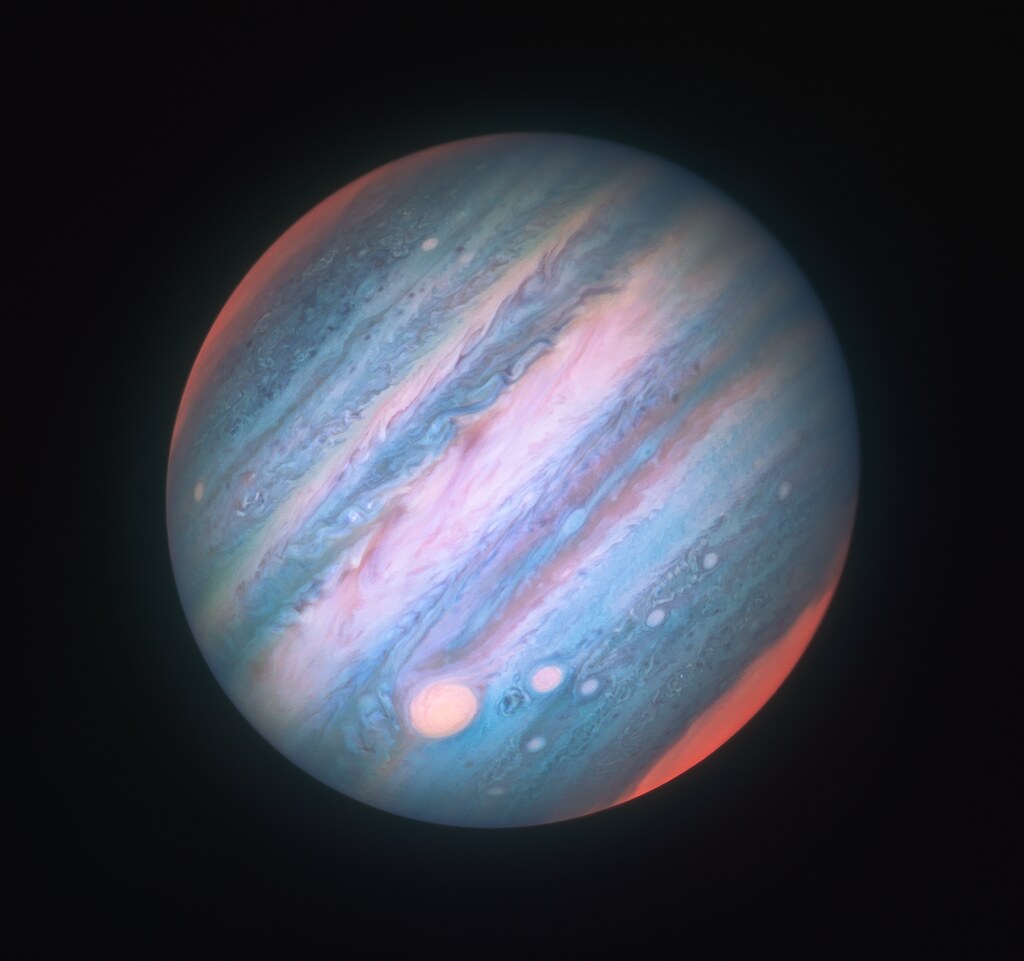
Moon hides Jupiter is a breathtaking event that took place recently. Early risers were treated to a spectacular display in the sky.
What Happened During the Event?
In an extraordinary celestial event, the moon hides Jupiter, captivating stargazers across the globe. Onlookers witnessed the phenomenon as the moon’s shadow gradually enveloped the giant planet, creating a stunning spectacle in the early morning sky.
The event unfolded over several hours, providing ample time for enthusiasts to capture the moment. Photographers took to their cameras, eager to document the rare alignment of the two celestial bodies.
Many reported a sense of awe as they observed the moon slowly obscuring Jupiter, with the planet’s brilliant light fading into the darkness. As the moon moved on, Jupiter reemerged, shining brightly once again.
For those who missed the event, several online platforms shared live streams and images, allowing everyone to appreciate the beauty of the night sky.
The alignment serves as a reminder of the wonders of our universe, inviting curiosity and exploration among amateur astronomers.
How to View Celestial Events
To fully appreciate the mesmerizing moment when the Moon hides Jupiter, early risers should prepare ahead of time. Here are some tips for viewing this celestial event:
- Check the weather: Clear skies are essential for optimal viewing. Cloud cover can obstruct the view of this stunning alignment.
- Find a dark location: Escape city lights by heading to a park or open field. The less light pollution, the better your chances of seeing the event.
- Use a telescope or binoculars: While the Moon and Jupiter are visible to the naked eye, using these tools can enhance the experience, revealing more details.
- Timing is key: The event occurs during the early morning hours, so set your alarm to ensure you don’t miss this spectacular show.
By following these tips, you can enjoy the breathtaking view of the Moon obscuring Jupiter.
Why Is This Event Significant?
The recent occurrence of the Moon hiding Jupiter has captivated astronomers and stargazers alike. Such celestial alignments are significant for several reasons.
- Educational Opportunity: Events like this provide a hands-on learning experience for both enthusiasts and students, allowing them to observe astronomical phenomena firsthand.
- Scientific Insight: These alignments help scientists study the dynamics of our solar system, including the gravitational interactions between celestial bodies.
- Cultural Significance: Historically, the Moon and Jupiter have held important places in various cultures, often symbolizing power and wisdom, making this event relevant beyond just scientific interest.
- Community Engagement: Such events often bring communities together, encouraging public interest in astronomy and fostering a sense of wonder about the universe.
Overall, the Moon hiding Jupiter is not just an astronomical event; it is a celebration of human curiosity and exploration.
Best Locations for Stargazing
For those eager to witness the phenomenon where the Moon hides Jupiter, finding the ideal stargazing location is crucial. Here are some top spots to consider:
- National Parks: These locations often provide dark skies free from light pollution, allowing for a clearer view of celestial events.
- Rooftops: Urban dwellers can find rooftops away from city lights, enhancing visibility for this spectacular early-morning show.
- Open Fields: Wide-open spaces, such as fields or beaches, offer unobstructed views of the horizon, perfect for catching the moment the Moon obscures Jupiter.
- Observatories: Many observatories host viewing events during significant astronomical occurrences, providing expert guidance.
Regardless of the choice, ensure the location has a clear view of the eastern skyline for the best chance to see this unique phenomenon.
How Often Do These Occur?
The phenomenon of the Moon hides Jupiter occurs relatively infrequently, making it a special event for astronomy enthusiasts. On average, such conjunctions happen about once or twice a year, depending on the alignment of the celestial bodies. However, the specific conditions required for the Moon to completely obscure Jupiter can be rarer.
These events are influenced by several factors, including:
- Orbital paths: The Moon and Jupiter’s orbits around the Sun affect their visibility from Earth.
- Lunar phase: The timing of the new or full Moon can determine if they will align properly.
- Geographical location: Certain locations on Earth may have a better view of these occurrences.
As a result, when the Moon hides Jupiter, it presents a unique opportunity for observation and appreciation of the night sky.
Tips for Early-Morning Observers
For those eager to witness the stunning spectacle of the Moon hiding Jupiter, early-morning observations can be particularly rewarding. Here are some tips to enhance your experience:
- Check the Weather: Clear skies are essential for optimal viewing. Utilize weather apps to track cloud cover and visibility.
- Choose the Right Time: The event will occur in the early dawn hours, so plan to arrive at your viewing location at least 30 minutes before sunrise.
- Find a Dark Spot: Light pollution can hinder your view. Seek out a location away from city lights for the best experience.
- Bring Binoculars or a Telescope: While the naked eye can capture the event, binoculars or a small telescope will provide a closer look at the celestial dance.
- Be Patient: Celestial events can be unpredictable. Give yourself time to adjust your eyes to the darkness and enjoy the show!
Photography Tips for Celestial Events
Capturing the moment when the moon hides Jupiter can be a rewarding experience for astrophotographers. To achieve the best results, consider the following tips:
- Use a tripod: A sturdy tripod will help eliminate camera shake, ensuring your photos are sharp and clear.
- Opt for a telephoto lens: A lens with a focal length of at least 200mm will allow you to zoom in on the celestial event and capture fine details.
- Adjust your settings: Experiment with a higher ISO setting and a longer exposure time to capture more light, especially in low-light conditions.
- Timing is key: Plan ahead for the precise moment when the moon will obscure Jupiter to get your shots just right.
- Stay patient: Astrophotography can require multiple attempts, so be prepared to try various angles and settings.
Happy shooting!
Upcoming Astronomy Events to Watch
As astronomy enthusiasts look forward to spectacular celestial displays, several upcoming events promise to captivate stargazers. Here are some highlights to mark on your calendar:
- Perseid Meteor Shower – Peak viewing nights are expected from August 12 to 13, where viewers can witness up to 60 meteors per hour.
- Autumn Equinox – On September 23, day and night will be approximately equal in length, marking the transition into fall.
- Partial Lunar Eclipse – On October 28, the Moon will partially cover the Sun, offering a stunning visual experience.
- Moon hides Jupiter – This rare event will occur on November 15, providing a unique opportunity to see the Moon obscure Jupiter in the early morning sky.
Each of these events provides a chance to connect with the cosmos and enjoy the beauty of our universe.
During this celestial event, the Moon hides Jupiter, creating a stunning visual for early risers. Stargazers are eager to witness how the Moon hides Jupiter and the unique beauty it brings to the morning sky.
By geckzilla via Openverse
References
Related reading
Gundam Rogue Orbit: The Best Combat and Customization Features · Tesla Inc press releases: What are the latest updates? · Health Economy Trends: Proven Insights from Trilliant Health