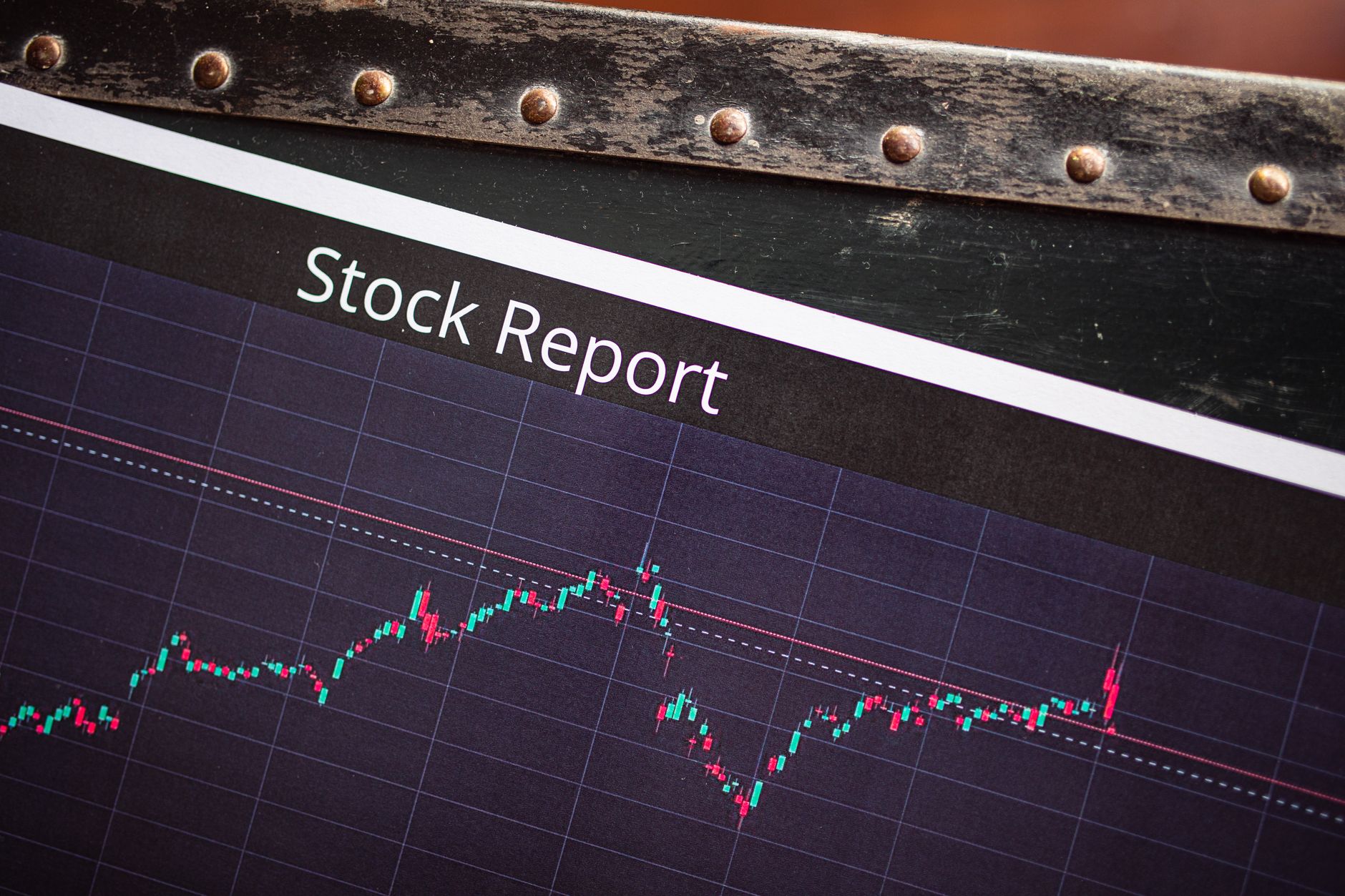
Gold price today remains steady in India, as FXStreet data show consistent trends in the market. Investors are keen to understand the implications of this stability.
Understanding Gold Price Trends
The gold price today in India reflects a notable trend of stability, providing insights for investors and consumers alike. Recent data indicates that gold prices have maintained a consistent level, despite fluctuations in the global market. This steadiness can be attributed to several factors that influence the gold market.
- Global Economic Conditions: The international economic environment plays a significant role in determining gold prices. When economic uncertainty rises, investors often turn to gold as a safe haven, which can stabilize prices.
- Local Demand: In India, the cultural significance of gold drives consistent demand. Festivals and weddings typically lead to increased purchases, supporting a stable price framework.
- Currency Fluctuations: The strength of the Indian Rupee against the US Dollar also affects gold prices. A weaker Rupee can lead to higher gold prices, while a stronger Rupee may have the opposite effect.
- Central Bank Policies: Decisions made by central banks regarding interest rates and gold reserves can influence market sentiment and price movements.
As investors navigate the current landscape, understanding these trends is crucial. The gold price today not only reflects current market conditions but also serves as a barometer for future economic stability in India.
Factors Influencing Gold Prices
The gold price today is influenced by a variety of factors that contribute to its stability in the Indian market. Understanding these elements can help investors make informed decisions regarding their investments in gold.
- Global Economic Conditions: Economic stability or instability in major economies can significantly impact gold prices. When uncertainty prevails, investors often flock to gold as a safe-haven asset.
- Currency Value: The strength of the Indian Rupee against other currencies, particularly the US Dollar, plays a crucial role. A weaker rupee typically results in higher gold prices in India.
- Inflation Rates: High inflation can erode the purchasing power of currency, prompting investors to turn to gold as a hedge against inflation, thus driving up demand and price.
- Interest Rates: Lower interest rates make gold more attractive compared to interest-bearing investments. As borrowing costs decrease, demand for gold often increases, influencing its price.
- Supply and Demand: The balance between gold production and market demand directly affects prices. Seasonal demand, especially during festivals and weddings in India, can lead to price fluctuations.
By staying informed about these factors, investors can better navigate the complexities of the gold market and understand the dynamics of the gold price today.
Gold Market Analysis in India
The gold market analysis in India reveals a consistent trend as the gold price today showcases remarkable stability. Recent data indicates that the prices have remained largely unchanged, reflecting a balance between demand and supply in the market. Investors and buyers alike are closely monitoring these fluctuations, as gold continues to be a favored asset during uncertain economic times.
Factors contributing to the current stability include:
- Global Economic Conditions: Economic uncertainties globally have led many investors to turn to gold as a safe haven.
- Inflation Rates: With rising inflation, gold often becomes a preferred choice for wealth preservation.
- Currency Fluctuations: The performance of the Indian Rupee against major currencies also influences gold prices.
- Festive Seasons: Demand tends to increase during wedding seasons and festivals, further supporting price stability.
As the market continues to evolve, analysts remain optimistic about gold’s role as a hedge against economic volatility. The gold price today serves not only as an investment indicator but also reflects broader economic sentiments among Indian consumers.
What FXStreet Data Reveals
Recent data from FXStreet reveals significant insights into the gold price today in the Indian market. As investors continue to seek stability amidst fluctuating economic conditions, gold has maintained a steady position, solidifying its role as a safe haven asset.
The analysis highlights several key factors contributing to the current stability of gold prices in India:
- Global Economic Conditions: Ongoing geopolitical tensions and inflation concerns have driven demand for gold, which often performs well during uncertain times.
- Local Demand Dynamics: Festive seasons and marriage ceremonies in India typically see a surge in gold purchases, which helps support prices in the local market.
- Currency Fluctuations: The value of the Indian Rupee against the US Dollar significantly impacts gold pricing. A weaker Rupee can lead to higher gold prices.
- Market Sentiment: Investors’ confidence in gold as a reliable store of value has remained robust, especially as alternative investment options exhibit volatility.
As FXStreet’s data suggests, the gold price today reflects a balanced interplay of these factors, indicating a promising outlook for investors. As the market continues to evolve, staying informed about these trends will be crucial for making sound investment decisions.
Expert Opinions on Gold Stability
Experts in the financial sector have weighed in on the gold price today, highlighting the stability it has maintained in the Indian market. According to market analysts, this stability is a result of various factors including global economic conditions and localized demand.
One prominent analyst stated, “The current gold prices reflect a balance between demand and supply, which has contributed to a steady market environment. Investors are increasingly viewing gold as a safe haven amid uncertain economic times.”
Another expert emphasized the role of cultural factors in India, noting, “Gold continues to hold significant value in Indian culture, especially during festivals and weddings. This enduring demand plays a crucial role in supporting gold prices.”
Many investors are also adopting a long-term perspective, with some suggesting that the current price levels may offer an attractive entry point. “In light of current trends, I believe that the gold price today provides an excellent opportunity for both new and seasoned investors to diversify their portfolios,” they remarked.
Overall, the consensus among experts is that the stability observed in the gold market is likely to persist, driven by both domestic and international factors. As investors keep a close eye on the gold price today, many are optimistic about the potential for future growth in this sector.
Historical Gold Price Movements
The historical movements of gold prices in India have demonstrated a remarkable resilience over the years. Investors often look to these patterns to gauge market stability and predict future trends. The gold price today reflects a culmination of various historical factors that have shaped investor sentiments.
Throughout the last decade, fluctuations in gold prices have been influenced by multiple elements, including global economic conditions, currency strength, and geopolitical tensions. A few key moments in history stand out:
- 2011: Gold prices reached an all-time high, driven by economic uncertainty and inflation fears.
- 2013: A significant downturn occurred, with prices dropping sharply as investor confidence improved and the stock market rallied.
- 2020: The onset of the COVID-19 pandemic saw a surge in gold prices, as many turned to gold as a safe haven amid global turmoil.
These historical price movements have laid the groundwork for current market behavior. As we examine the gold price today, it is essential to consider these trends, as they provide valuable insights into future price stability and investor strategies. The consistency seen in recent prices suggests a solid foundation for continued investment in gold, particularly within the Indian market.
Future Predictions for Gold
The future predictions for gold prices remain a topic of significant interest among investors and analysts alike. As we explore the potential trajectory of gold price today, several key factors emerge that could influence market dynamics in the coming months.
Analysts suggest that the stability observed in the Indian gold market could continue, driven by a combination of global economic conditions and local demand. Several predictions highlight the following trends:
- Increased Demand: With the upcoming festival season, consumer demand for gold is expected to rise, potentially supporting higher prices.
- Global Economic Factors: Ongoing geopolitical tensions and inflation concerns may lead investors to seek refuge in gold, enhancing its appeal as a safe-haven asset.
- Currency Fluctuations: Changes in currency values, particularly the Indian Rupee against the US Dollar, will likely impact gold prices, making it essential for investors to monitor exchange rates closely.
- Interest Rates: Central banks’ monetary policies and interest rate movements could also play a crucial role in determining gold’s future value.
Overall, while the gold price today shows resilience, external economic factors and local market dynamics will shape its performance in the near future. Investors are advised to stay informed and consider these elements when making investment decisions.
How to Invest in Gold Today
Investing in gold today can be a prudent choice for those looking to secure their financial future. As the gold price today shows signs of stability, individuals can explore various avenues to include this precious metal in their portfolios.
Here are some of the primary ways to invest in gold:
- Physical Gold: Purchasing gold in the form of jewelry, coins, or bars remains a popular method. It allows investors to hold tangible assets, but they should consider factors like storage and insurance.
- Gold ETFs: Exchange-Traded Funds that invest in gold provide a way to gain exposure without holding physical gold. These funds track the price of gold and can be easily bought or sold on stock exchanges.
- Gold Mutual Funds: Investing in mutual funds that focus on gold mining companies is another option. These funds allow you to invest indirectly in gold while spreading risk across multiple companies.
- Sovereign Gold Bonds: Issued by the government, these bonds offer a fixed interest rate and a way to invest in gold without the need for physical storage.
Before making any investment, it is essential to assess your financial goals and risk tolerance. Given the proven stability of the gold price today, it could be a strategic addition to a diversified portfolio.
By Onasill – Bill Badzo – 149 Million Views – Thank Y via Openverse