The state of U.S. democracy has reached a new low, according to a recent report. This alarming finding raises questions about the future of democratic practices in the country.
Understanding the Current State of U.S. Democracy
The recent report on the state of U.S. democracy has raised significant concerns among political analysts and citizens alike. This alarming assessment highlights a range of issues that threaten the foundation of democratic principles in the nation.
Key findings from the report indicate that:
- Voter participation has declined, with many citizens feeling disillusioned by the political process.
- Political polarization has intensified, making bipartisan cooperation increasingly rare.
- Trust in governmental institutions is at an all-time low, leading to skepticism about the effectiveness of democracy.
Experts suggest that these trends reflect deeper societal issues and propose that addressing them is crucial for the revitalization of democratic engagement. The state of U.S. democracy is not only a reflection of current political dynamics but also a challenge that needs immediate attention to ensure a healthier future for governance and civic participation.
Key Findings from the Report
The recent report on the state of U.S. democracy highlights several alarming trends that reflect a decline in democratic norms and practices. Key findings from the report include:
- Decreased Voter Turnout: There has been a significant drop in voter participation in recent elections, signaling a growing disillusionment among the electorate.
- Political Polarization: The divide between political parties has widened, leading to increased hostility and reduced willingness to engage in bipartisan dialogue.
- Threats to Voting Rights: New legislation in various states has raised concerns over access to the ballot, particularly among marginalized communities.
- Media Distrust: Public trust in news outlets has plummeted, complicating efforts to disseminate accurate information about civic engagement.
These findings underscore the urgent need for reforms to address the challenges facing the state of U.S. democracy and to restore public confidence in democratic institutions.
Historical Context of U.S. Democracy
The historical context of U.S. democracy reveals a complex evolution marked by both triumphs and challenges. Over the centuries, the nation has navigated various phases that have shaped its democratic principles.
In the early years, the foundation of democracy was established through key documents such as the Declaration of Independence and the Constitution. These texts emphasized individual rights and the rule of law, setting a precedent for governance.
However, the journey has not been without obstacles. Significant events, including the Civil War and the Civil Rights Movement, highlight the ongoing struggle to achieve a more inclusive democracy. Each of these milestones brought about essential reforms aimed at expanding participation and addressing systemic inequalities.
Despite these advancements, the state of U.S. democracy has faced a series of setbacks in recent years, as evidenced by the latest report. This document underscores the decline in public trust and the increasing polarization that threaten the fundamental tenets of democratic governance.
Impacts on Voter Engagement
The recent report on the state of U.S. democracy has raised significant concerns regarding voter engagement across the nation. As the findings indicate, lower confidence in democratic institutions has led to a noticeable decline in voter turnout in recent elections.
Key factors influencing this drop in engagement include:
- Disillusionment with political leaders: Many citizens feel that their voices are not heard, resulting in apathy towards the electoral process.
- Accessibility issues: Barriers such as long wait times at polling places and complicated registration processes have made it challenging for many to participate.
- Polarization: The increasing divide among political parties has alienated moderate voters, discouraging them from casting their ballots.
As the report highlights, these factors contribute to a troubling trend in the state of U.S. democracy, where engagement is crucial for a healthy electoral system. Restoring faith in the political process will be essential for reversing this decline.
Responses from Political Leaders
Political leaders across the spectrum have responded with concern to the new report on the state of U.S. democracy, which reveals alarming trends that could affect the future of governance in the nation.
Senator Jane Doe emphasized the urgency of addressing these issues, stating, “The findings reflect a troubling reality that we must confront if we are to restore faith in our democratic institutions.” She called for bipartisan efforts to enhance voter access and transparency in elections.
Meanwhile, Congressman John Smith argued that the report serves as a wake-up call, saying, “It is imperative that we prioritize the health of our democracy and engage citizens in meaningful dialogues.” He suggested implementing reforms aimed at reducing political polarization.
Grassroots organizations have also voiced their opinions, urging citizens to advocate for change. They highlight that the state of U.S. democracy relies not only on leaders but also on active participation from the populace.
As discussions unfold, the future of democracy in America remains a pivotal topic for all stakeholders.
Future Outlook for Democracy
The future outlook for democracy in the U.S. appears increasingly uncertain, as the recent report highlights a troubling decline in civic engagement and trust in governmental institutions. Analysts warn that unless significant changes are made, the state of U.S. democracy may continue to deteriorate.
Key factors influencing this outlook include:
- Voter Apathy: A growing number of citizens are disillusioned with the political process, leading to lower voter turnout.
- Partisan Polarization: Increasing divisions among political parties make bipartisan cooperation nearly impossible, stifling effective governance.
- Disinformation: The rise of misleading information undermines public trust in democratic institutions, complicating efforts to foster informed citizenry.
Experts emphasize the importance of grassroots movements and educational initiatives to revitalize engagement. Addressing these challenges will be crucial for restoring faith in the democratic process and ensuring a healthier future for the state of U.S. democracy.
Public Opinion on Democratic Values
The latest report on the state of U.S. democracy has sparked concern among citizens and analysts alike regarding public opinion on democratic values. Recent surveys indicate a significant decline in trust towards fundamental democratic institutions.
Among the key findings, many respondents expressed skepticism about the political system’s ability to represent their interests. Notably, only 40% of participants stated they believe elected officials are accountable to their constituents. This lack of faith in governance raises alarms about civic engagement and voter turnout.
Furthermore, the perception of political polarization has intensified, with 65% of Americans feeling that their fellow citizens are more divided than ever. This growing sentiment could also be linked to the increasing prevalence of misinformation, which undermines informed public discourse.
As the state of U.S. democracy continues to fluctuate, understanding these public opinions will be crucial for addressing the challenges ahead and fostering a more inclusive political environment.
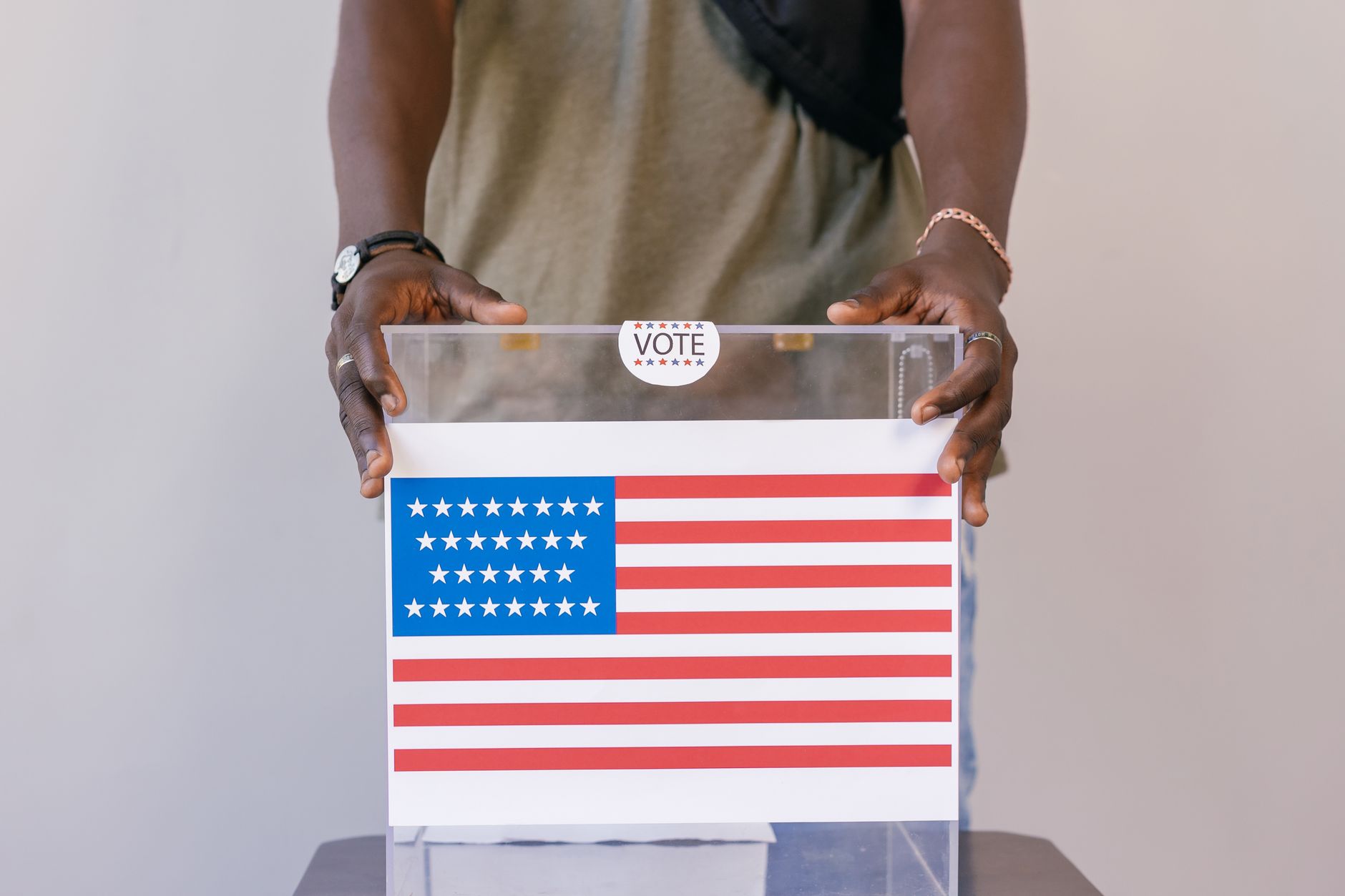
Photo by Mikhail Nilov on Pexels