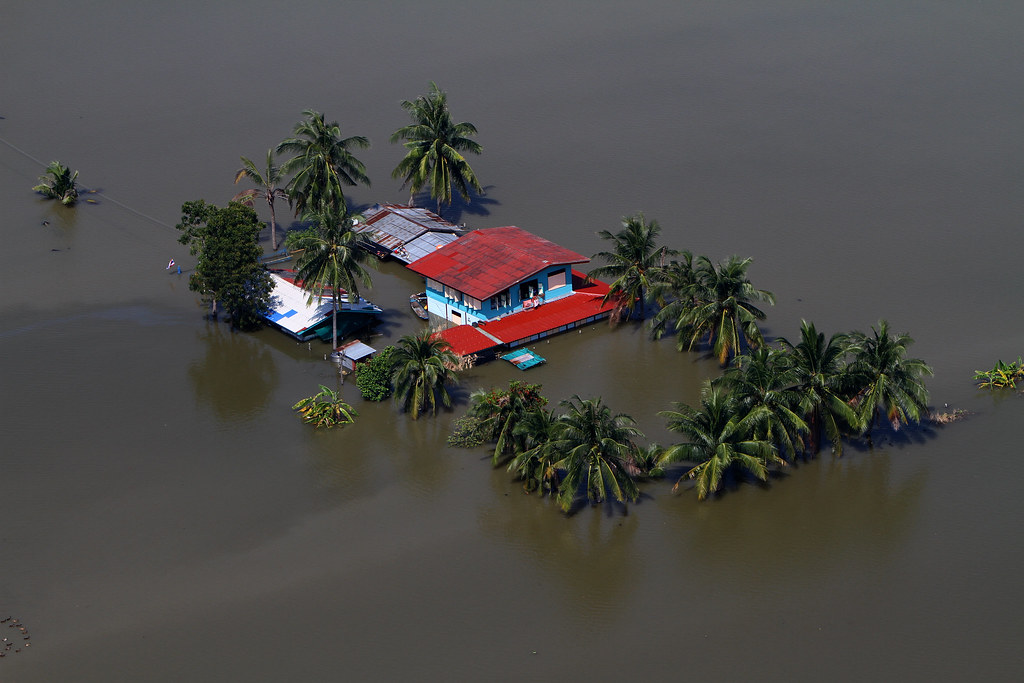
Bangkok flooding disaster has led to a disaster declaration in Thailand, impacting the lives of many residents. The heavy rains have caused severe flooding in the capital city.
Overview of the Bangkok flooding disaster
The recent Bangkok flooding disaster has severely impacted the lives of many residents in the city. Torrential rains, combined with inadequate drainage systems, have resulted in widespread flooding that has paralyzed daily activities and disrupted essential services.
Authorities have declared a disaster, enabling emergency measures to assist those affected. The flooding has overwhelmed neighborhoods, leading to:
- Submerged homes and businesses, forcing evacuations.
- Damaged infrastructure, including roads and public transport systems.
- Increased health risks due to contaminated water supplies.
- Significant economic losses for local businesses reliant on foot traffic.
Residents have expressed their frustration, highlighting the lack of preparedness and response from local government agencies. Many families are struggling to cope with the aftermath, as relief efforts are underway but insufficient. Local volunteers and organizations are stepping in to provide much-needed assistance to those in need.
As the situation develops, the long-term effects of the Bangkok flooding disaster may reshape the community’s approach to urban planning and disaster preparedness in the future.
Causes of the recent flooding in Bangkok
The recent Bangkok flooding disaster has been attributed to several key causes that exacerbated the situation for residents. Officials have highlighted the following factors:
- Intense rainfall: Bangkok experienced unprecedented rainfall levels that surpassed seasonal averages, leading to excessive water accumulation.
- Poor drainage systems: Many areas in the city suffer from outdated and inadequate drainage infrastructure, which was unable to cope with the sudden influx of water.
- Urban development: Rapid urbanization and large-scale construction projects have reduced the natural absorption of water, increasing runoff and flooding risks.
- Climate change: Changes in weather patterns, attributed to climate change, have resulted in more frequent and severe flooding events, impacting the city’s resilience.
- Land subsidence: Continuous land subsidence in Bangkok has made the city more vulnerable to flooding, as lower ground levels exacerbate water accumulation.
The combined effects of these factors have contributed to the devastating impact of the flooding disaster on Bangkok’s residents, with many facing significant property damage and disruptions to their daily lives.
Impact on local communities and infrastructure
The recent Bangkok flooding disaster has profoundly affected local communities, leading to significant disruptions in daily life and infrastructure. Residents have reported the following impacts:
- Displacement: Thousands of families have been forced to evacuate their homes, with temporary shelters seeing overcrowding and limited resources.
- Damage to property: Many homes and businesses have suffered extensive water damage, with estimates indicating that repairs will take months, if not longer.
- Access to services: Essential services such as clean water, electricity, and healthcare have been compromised, exacerbating the challenges faced by residents.
- Transport disruptions: Major roads and public transportation systems have been severely affected, making it difficult for people to commute to work or school.
- Economic impact: Local businesses are experiencing significant losses, with many unable to operate due to flooded premises, leading to concerns about long-term economic recovery.
As the situation continues to evolve, residents are calling for immediate assistance and long-term solutions to mitigate the effects of future flooding disasters in Bangkok.
Government response to the flooding crisis
The government has taken immediate steps in response to the ongoing Bangkok flooding disaster, prioritizing relief efforts for affected residents. Officials have declared a state of emergency in several districts, allowing for expedited resources and assistance.
Emergency services have been mobilized to provide essential aid, including:
- Distribution of food and clean water
- Deployment of rescue teams to stranded areas
- Establishment of temporary shelters for displaced families
Moreover, the government is working closely with local organizations to assess damage and determine the most urgent needs of the community. Financial assistance has been promised to those whose homes and businesses have been severely affected.
In parallel, authorities are implementing measures to manage water levels and prevent further flooding. Plans include:
- Maintenance of drainage systems
- Construction of temporary barriers
- Regular updates to the public on safety protocols
As the situation unfolds, the focus remains on providing immediate relief while developing long-term strategies to mitigate the impact of future flooding disasters in Bangkok.
Safety measures for residents during floods
As the Bangkok flooding disaster continues to affect thousands of residents, ensuring safety during these turbulent times is crucial. Authorities have issued several guidelines aimed at protecting individuals and families from the dangers associated with rising waters.
Residents are advised to follow these safety measures:
- Stay informed: Keep track of local news and weather updates to be aware of changing conditions.
- Emergency kit: Prepare an emergency kit that includes essential items such as food, water, medications, and important documents.
- Evacuation routes: Familiarize yourself with the nearest evacuation routes and safe locations, in case relocation becomes necessary.
- Secure property: Elevate electrical appliances and utilities to prevent water damage, and secure windows and doors to reduce the risk of flooding.
- Avoid flooded areas: Do not attempt to walk or drive through flooded streets as submerged hazards may pose serious risks.
By following these safety measures, residents can better protect themselves and their loved ones during the ongoing Bangkok flooding disaster.
Historical context of flooding in Bangkok
Bangkok has a long history of battling flooding, significantly influenced by its geographic location and rapid urban development. The city, situated on the low-lying Chao Phraya River basin, is particularly vulnerable to seasonal rains and rising sea levels. Over the decades, various flooding disasters have plagued the region, leading to significant loss of property and life.
In 2011, Bangkok experienced one of its worst flooding disasters, which resulted in extensive damage to homes and infrastructure, displacing thousands of residents. The aftermath raised concerns about the city’s drainage systems and the effectiveness of flood prevention measures. Despite improvements made since then, the recent flooding disaster has highlighted ongoing vulnerabilities in the urban infrastructure.
Historically, the government has attempted to implement various flood management strategies, including the construction of canals and drainage systems. However, these efforts have often been hindered by rapid urbanization, inadequate maintenance, and changes in land use. As the current flooding crisis unfolds, it serves as a stark reminder of the long-standing challenges Bangkok faces in managing its waterways and protecting its residents from the impacts of flooding disasters.
Future predictions for climate and flooding
As climate change continues to intensify, future predictions regarding flooding in Bangkok paint a concerning picture for residents. Experts indicate that the frequency and severity of flooding disasters in the city are likely to increase significantly due to rising sea levels and extreme weather patterns.
Recent studies suggest that by 2050, Bangkok could experience annual flooding events, affecting millions of inhabitants. The combination of urbanization and inadequate drainage systems exacerbates the risks, making it crucial for city planners to develop sustainable infrastructure solutions.
Furthermore, the implications of these predictions are profound:
- Economic impact: Increased flooding could lead to substantial economic losses, affecting businesses and livelihoods.
- Health risks: Flooding disasters can contribute to the spread of waterborne diseases, posing significant health threats to the local population.
- Displacement: Many residents may find themselves forced to relocate, leading to social and community disruptions.
In light of the Bangkok flooding disaster, it is imperative for authorities to prioritize long-term strategies that address both climate resilience and community safety.
How to help affected residents
The recent Bangkok flooding disaster has left many residents in desperate need of assistance. There are several ways individuals and organizations can help those affected by this crisis:
- Donate to local charities: Numerous organizations are actively providing relief to flood victims. Contributions can help supply food, clean water, and essential medical services.
- Volunteer: Many groups are seeking volunteers to assist in relief efforts, including distributing supplies and offering support to families displaced by the floods.
- Host fundraisers: Community members can organize events to raise funds specifically for flood relief, with proceeds going directly to trusted organizations working on the ground.
- Gather supplies: Collecting items such as clothing, hygiene products, and non-perishable food can significantly aid those affected. Reach out to local charities for drop-off locations.
- Spread awareness: Use social media platforms to inform others about the ongoing challenges faced by residents due to the Bangkok flooding disaster, encouraging additional support.
By taking these actions, individuals can help rebuild the lives of those impacted and foster a sense of community during this challenging time.
The Bangkok flooding disaster has left many residents struggling to cope with the aftermath of the extensive damage. As the city grapples with recovery efforts, the true extent of the Bangkok flooding disaster’s impact on daily life is becoming increasingly clear.
By DVIDSHUB via Openverse