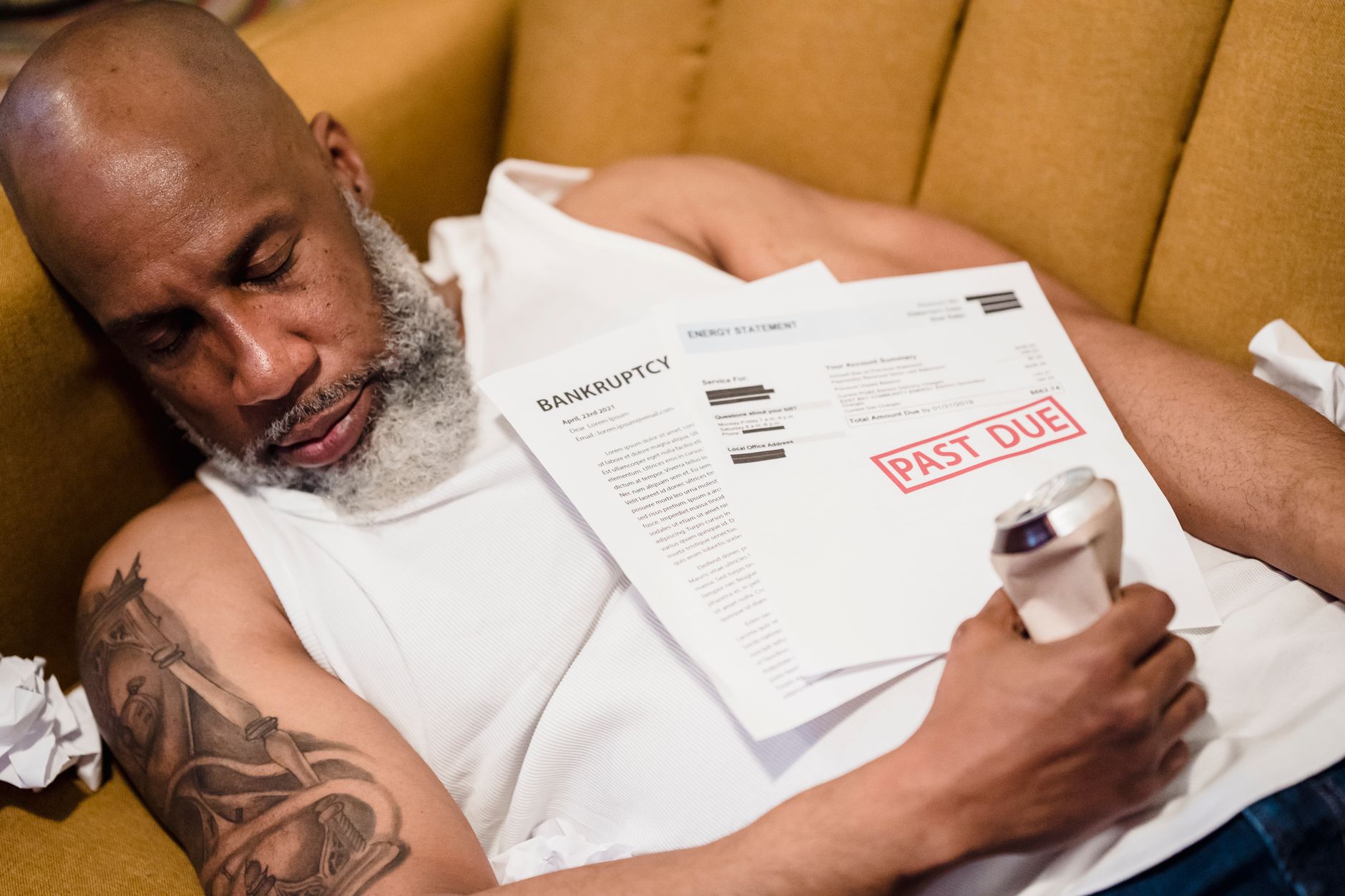
Getty Images bankruptcy is a significant development in the media industry. The company is set to file for bankruptcy and restructure its operations, aiming to go private in a deal that could reshape its future.
What Led to Getty Images Bankruptcy?
The recent announcement of Getty Images bankruptcy has raised questions about the future of the iconic visual content provider. Several factors have contributed to this significant development, which has left both industry experts and investors pondering the implications for the business.
First and foremost, the rise of free and low-cost image alternatives has severely impacted Getty Images’ revenue. As social media and content creation have exploded, many users have turned to platforms offering royalty-free images, diminishing the market share of established players like Getty.
Additionally, the company has faced increasing competition from emerging startups that leverage technology to provide innovative solutions. These companies often offer subscription models or pay-per-use plans that appeal to a broader audience, further straining Getty’s profitability.
Financial mismanagement and mounting debt have also played a role in Getty Images bankruptcy. Over the years, the company has accumulated substantial liabilities, and the ongoing economic challenges have made it difficult to sustain operations. This situation has prompted the decision to restructure the business to navigate its financial burdens more effectively.
In summary, the combination of intense competition, changing market dynamics, and financial difficulties has culminated in Getty Images bankruptcy, forcing the company to reevaluate its strategies and seek a path forward in a rapidly evolving industry.
The Impact of Bankruptcy on Getty Images
The recent announcement regarding Getty Images bankruptcy has raised significant concerns about the future of the company and its impact on the stock photography industry as a whole. As Getty Images navigates this challenging chapter, several key factors will likely shape its path forward.
Firstly, the restructuring process may allow Getty Images to eliminate some of its debt, which has been a substantial burden on its operations. By filing for bankruptcy, the company can renegotiate contracts and streamline its business model, potentially leading to a more sustainable financial structure.
Additionally, going private could provide Getty Images with the flexibility needed to innovate and adapt to the rapidly changing digital landscape. Without the pressure of public scrutiny, the company may explore new revenue streams, enhance its technology, and invest in emerging markets.
However, the transition is not without risks. The loss of investor confidence and the potential for reduced market share may pose challenges during this period of adjustment. Stakeholders will be closely monitoring how Getty Images navigates this complex environment.
In conclusion, the impact of Getty Images bankruptcy will depend on how effectively the company can capitalize on the opportunities presented by its restructuring while mitigating potential setbacks. The coming months will be critical in determining the future of this iconic brand.
How Will Getty Images Restructure?
As Getty Images prepares to navigate its bankruptcy proceedings, the company has laid out a strategic plan for restructuring. This phase is crucial for the future viability of the business, and stakeholders are keenly observing the developments. The primary goal is to stabilize operations while addressing the significant debt burden that has plagued the company.
Getty Images aims to achieve this through several key initiatives:
- Debt Restructuring: The company plans to renegotiate its existing debts, seeking to reduce the total amount owed and extend repayment terms. This could alleviate immediate financial pressures.
- Cost Reduction: By streamlining operations, Getty Images intends to cut unnecessary expenses. This may involve layoffs and optimizing technology to improve efficiency.
- Focus on Core Business: The company will concentrate on its primary offerings, enhancing its content library and services that are most profitable while potentially divesting non-core assets.
- Investment in Technology: Getty Images recognizes the importance of innovation. Investing in advanced technology and AI could improve user experience and attract more clients.
Ultimately, the success of these restructuring efforts will determine whether Getty Images bankruptcy proves to be a turning point or a persistent challenge for the business.
Industry Reactions to the Bankruptcy News
Reactions from industry experts and stakeholders regarding the Getty Images bankruptcy have been mixed, reflecting the complex implications of such a significant event in the visual content market. Many industry analysts express concern over how the bankruptcy will reshape the landscape of stock photography.
Some critics argue that this move could set a troubling precedent for other companies in the sector, while supporters believe it may allow Getty Images to emerge stronger and more competitive. Mark Thompson, a media analyst, stated, “The Getty Images bankruptcy may be a necessary step for them to eliminate debt and refocus their business model.”
Others, however, fear that the restructuring could lead to reduced innovation and higher costs for consumers. Jane Doe, a prominent photographer and former Getty contributor, commented, “This bankruptcy could limit opportunities for artists if Getty pulls back on its licensing agreements.”
Additionally, some industry insiders are watching closely to see how this will affect the availability of premium stock photos. John Smith, a leading figure in digital marketing, noted, “If Getty Images scales back its offerings, it could create a vacuum that other companies might exploit.”
Ultimately, the long-term effects of Getty Images bankruptcy remain to be seen, but the immediate reactions suggest a divided sentiment about the future of visual content licensing.
What Happens Next for Getty Images?
As Getty Images navigates its bankruptcy proceedings, many industry experts are keenly observing the implications for the company’s future. The decision to file for bankruptcy may seem drastic, but it also presents opportunities for a fresh start. The restructuring plan aims to reduce debt and refocus the business strategy, allowing Getty Images to adapt to the rapidly changing landscape of digital media.
In the immediate aftermath of the bankruptcy announcement, several key actions are expected:
- Debt Reduction: The company plans to significantly lower its debt burden, which could enhance its financial stability.
- Operational Efficiency: Getty Images may streamline operations by cutting costs and optimizing its workforce, thus improving profit margins.
- Investment in Technology: A focus on technological advancements is likely, ensuring that Getty Images remains competitive in the stock photo market.
- Exploring New Partnerships: The company may seek strategic alliances that could open new revenue streams and broaden its market reach.
While the Getty Images bankruptcy raises questions about its long-term viability, it also offers a chance for the company to emerge stronger, more innovative, and better equipped to meet the needs of its clients in a dynamic market.
Financial Implications of Going Private
The financial implications of Getty Images bankruptcy are significant, reflecting both the challenges and opportunities that arise from such a drastic move. By filing for bankruptcy and transitioning to a private entity, Getty Images aims to reshape its financial landscape while addressing mounting debts.
One of the primary concerns surrounding the bankruptcy is the potential for reduced access to capital. As a private company, Getty Images may face limitations on funding sources, which could hinder its growth prospects and innovation efforts. However, this shift may also provide the company with the flexibility to focus on long-term strategies without the pressure of meeting quarterly earnings expectations from public investors.
In this restructuring deal, Getty Images is expected to negotiate with creditors to alleviate its financial burden. This process may involve the cancellation of unprofitable contracts and a re-evaluation of its pricing models to better align with current market demands. Additionally, by becoming private, Getty Images can implement more radical changes without facing immediate scrutiny from shareholders.
Furthermore, the company may explore new revenue streams, such as diversifying its content offerings and enhancing partnerships with brands and creators. Ultimately, how Getty Images navigates its bankruptcy and the subsequent restructuring will be crucial in determining its future viability in a rapidly evolving digital landscape.
Comparing Getty Images to Other Media Bankruptcies
In the landscape of media companies, bankruptcy is not an uncommon occurrence. However, the recent Getty Images bankruptcy raises questions about the future of digital content and imagery. To understand its implications, it is helpful to compare Getty Images to other notable media bankruptcies.
One of the most significant cases is that of Tribune Publishing, which filed for bankruptcy in 2018. The company struggled with declining print revenues and mounting debt, ultimately leading to a significant restructuring. Similar to Getty Images, Tribune had to adapt to a rapidly changing media environment, focusing on digital offerings to survive.
Another example is RadioShack, which declared bankruptcy twice in a span of just two years. The company failed to innovate and keep pace with competitors, leading to its downfall. Getty Images faces a different challenge; it must navigate the digital marketplace where copyright issues and competition from free image platforms are rampant.
In both cases, the bankruptcy process allowed for a restructuring that aimed to refocus the business model. Getty Images may emerge from its bankruptcy not only as a leaner organization but also with a renewed strategy to capture market share. As the company goes private, it will be essential to watch how it adjusts in a digital-first world, much like its predecessors.
Future Prospects for Getty Images
The future of Getty Images following its recent bankruptcy filing remains uncertain, as the company navigates the complexities of restructuring and potential transition to a private entity. While this move may provide an opportunity for the company to eliminate debt and streamline operations, it also raises questions about its long-term viability in a fast-evolving digital landscape.
Industry experts suggest that Getty Images needs to redefine its business model to remain competitive. Challenges such as shifting consumer behavior towards free and user-generated content could hinder its recovery. Therefore, the company must focus on:
- Innovative Licensing Models: Adapting to new trends by offering flexible pricing and licensing options may attract a broader audience.
- Technological Enhancements: Investing in AI and machine learning could enhance search capabilities and improve user experience.
- Partnerships and Collaborations: Forming strategic alliances with other media companies may provide additional revenue streams and expand market reach.
- Brand Reinvention: A strong marketing push to re-establish Getty Images as a leader in visual content could help regain customer trust.
In conclusion, while the path forward post-bankruptcy is fraught with challenges, Getty Images has the potential to emerge stronger if it embraces innovation and adapts to the changing market dynamics.
The potential implications of Getty Images bankruptcy extend beyond just the company itself, affecting countless creators and businesses that rely on its vast image library. As discussions about Getty Images bankruptcy continue, industry experts are weighing in on the long-term effects on stock photography and visual content markets.
Photo by Nicola Barts on Pexels
