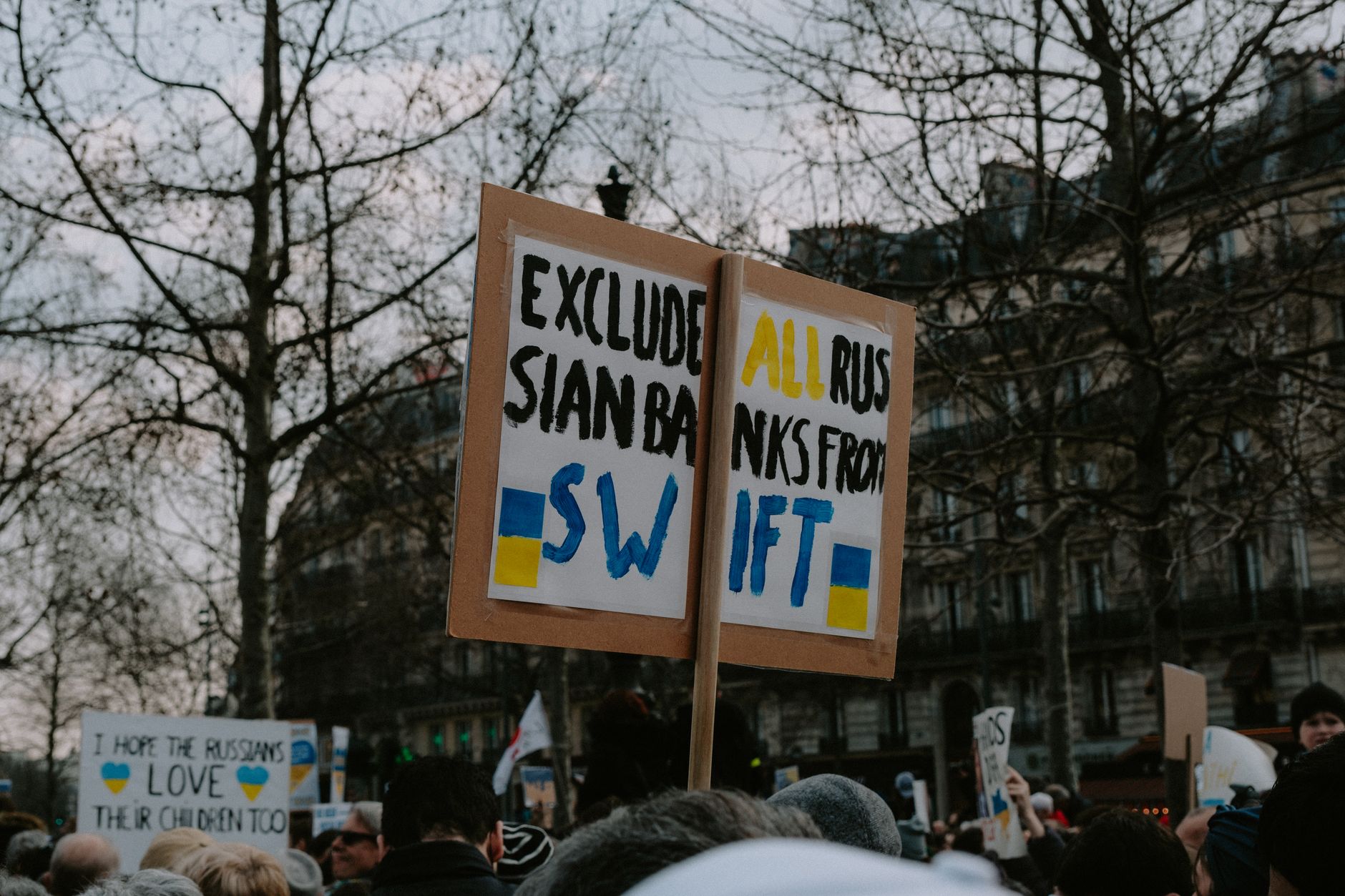
Russia sanctions impact has become a significant topic as oil futures pull back following the U.S. decision to waive certain restrictions. This shift raises questions about market stability and future pricing.
Understanding the Russia sanctions
The ongoing situation regarding Russia sanctions has created significant turmoil in global markets, particularly in the oil sector. The sanctions, which were imposed by various countries in response to geopolitical tensions, aim to restrict Russia’s ability to generate revenue from its oil exports. However, recent developments have led to a complex scenario that impacts oil futures.
Understanding the Russia sanctions impact requires a close examination of several key factors:
- Geopolitical Tensions: The sanctions are a direct response to Russia’s actions on the international stage, leading to increased volatility in oil prices.
- Supply Chain Disruptions: As countries impose sanctions, the flow of oil from Russia is hindered, affecting supply and demand dynamics in the market.
- Market Reactions: Investors are closely monitoring how these sanctions influence oil futures, leading to fluctuations based on news and developments.
- U.S. Policy Changes: The recent decision by the U.S. to waive certain sanctions has prompted discussions about potential shifts in the oil market and the implications for prices.
As the situation evolves, the Russia sanctions impact will continue to shape the economic landscape, with analysts predicting further movements in oil futures based on these geopolitical developments.
How U.S. decisions affect global oil markets
The recent decisions made by the U.S. government regarding sanctions on Russia have significant implications for global oil markets. As the market reacts to these developments, oil futures are experiencing notable fluctuations.
One of the primary effects of the U.S. waiving certain sanctions is the potential increase in oil supply. Industry analysts suggest that this move could lead to:
- Greater access to Russian oil for international buyers, potentially lowering global oil prices.
- A shift in trading dynamics, as countries re-evaluate their energy partnerships.
- Increased competition among oil-producing nations, which may intensify price variations.
Moreover, the sanctions impact has created uncertainty in the market, prompting investors to closely monitor geopolitical developments. Oil futures have historically reacted to such decisions, often resulting in volatility.
As the situation unfolds, many in the industry are questioning the long-term sustainability of current oil prices. Experts argue that if sanctions continue to ease, it may lead to a sustained downturn in oil prices, affecting not only Russia but also other oil-dependent economies worldwide. The ripple effects of these U.S. decisions underscore the interconnected nature of global markets and the far-reaching impact of the Russia sanctions.
Russia sanctions impact on oil futures
The recent decision by the U.S. government to waive certain sanctions against Russia has sent ripples through global oil futures, leading to a notable decline in prices. The Russia sanctions impact is becoming increasingly evident as traders react to the shifting geopolitical landscape.
As investors digest the implications of these waivers, oil futures have exhibited volatility, with prices fluctuating in anticipation of future developments. The waivers, intended to ease the burden on energy markets, have raised questions about the long-term effects on global supply and demand dynamics.
Key factors contributing to the decline in oil futures include:
- Increased production levels: With sanctions relaxed, there is potential for Russia to boost its oil output, flooding the market and driving prices lower.
- Shifts in global demand: The easing of sanctions may lead to changes in purchasing decisions among countries previously hesitant to engage with Russian oil.
- Market sentiment: Investor confidence is shaken as the geopolitical situation remains uncertain, prompting caution among traders.
While this move may provide short-term relief for some sectors reliant on oil, the broader implications of the sanctions remain to be seen. Analysts predict that the full impact of Russia sanctions on oil futures will unfold over the coming months as more data and trends emerge.
Market reactions to lifted sanctions
Market reactions to the recent lifting of certain U.S. sanctions on Russia have been swift and significant. Analysts observed a notable decline in oil futures as traders reassessed the implications of this policy shift. The easing of sanctions has led to concerns about an influx of Russian oil into the global market, which could potentially destabilize prices further.
Key factors influencing the market include:
- Increased Supply: With the sanctions lifted, Russian oil producers are expected to ramp up production and exports, leading to a potential oversupply situation.
- Investor Sentiment: The market’s reaction has been largely driven by anxiety over future price stability, as investors navigate the complexities surrounding the global oil landscape.
- Geopolitical Considerations: Analysts are closely monitoring how other nations might respond to the lifted sanctions, particularly in light of ongoing tensions in Eastern Europe.
As a result, oil futures experienced a decline, reflecting apprehension over the long-term ramifications of the lifted sanctions. The impact of these Russia sanctions on oil futures is expected to continue influencing market dynamics, as traders weigh both immediate effects and future developments. The situation remains fluid, with ongoing discussions likely to shape investor strategies in the coming weeks.
Future predictions for oil prices
As the global oil market adjusts to shifting geopolitical dynamics, future predictions for oil prices remain uncertain. Analysts are carefully monitoring the ongoing impact of Russia sanctions and the potential for further adjustments in response to recent developments.
Several factors are expected to play a significant role in determining the trajectory of oil prices in the coming months:
- Supply and Demand Dynamics: With the lifting of certain sanctions, analysts anticipate an increase in Russian oil exports. This influx may lead to an oversupply in the market, potentially driving prices down.
- Geopolitical Tensions: Ongoing conflicts and geopolitical tensions could lead to unexpected fluctuations. Should tensions escalate, oil prices may spike despite the sanctions.
- Global Economic Recovery: The pace of recovery from the pandemic continues to influence oil demand. A strong recovery may support higher prices, while a sluggish rebound could have the opposite effect.
- OPEC+ Responses: The Organization of the Petroleum Exporting Countries and its allies will likely react to any significant changes in oil supply and demand, potentially adjusting production levels to stabilize prices.
In summary, the future of oil prices remains closely tied to the impact of Russia sanctions and broader market dynamics, making it crucial for stakeholders to stay informed and adaptable as the situation evolves.
Expert opinions on energy trading
As the energy market continues to react to the shifting landscape of international relations, experts weigh in on the implications of recent developments regarding Russia sanctions. The decision by the U.S. to waive certain sanctions has prompted a mixed response from traders and analysts alike.
Dr. Elena Markov, an energy economist, noted, “The Russia sanctions impact is multifaceted. While some traders see opportunities in the lifted restrictions, others are concerned about the potential for increased volatility in oil futures.” She emphasized that market sentiment is highly sensitive to geopolitical changes, which can lead to sudden price fluctuations.
Furthermore, James O’Reilly, a senior analyst at Global Energy Insights, remarked, “The current trajectory of oil prices will largely depend on how quickly countries adapt to the new regulations. If nations increase their reliance on Russian oil, we could see a significant drop in prices in the near term.”
In addition, Linda Chen, a commodities strategist, pointed out the importance of monitoring global demand. “While the sanctions may ease, the demand for oil remains uncertain, particularly with ongoing economic challenges in various countries,” she stated. “The repercussions of these sanctions will likely continue to influence trading strategies and market dynamics for the foreseeable future.”
Ultimately, the interplay of sanctions and global energy trading remains a critical area of focus for investors and policymakers alike.
The Russia sanctions impact has led to a significant shift in global oil markets, causing futures to drop as uncertainty looms. Analysts predict that the prolonged Russia sanctions impact will continue to affect supply chains and pricing strategies in the coming months.
Photo by Mathias Reding on Pexels
References
Related reading
Disha Tiger reunion: The Real Story Behind Their Meeting · Race for Congress: The Best Proven Strategies for Success · Foreign threats midterms: The Worst Risks for States