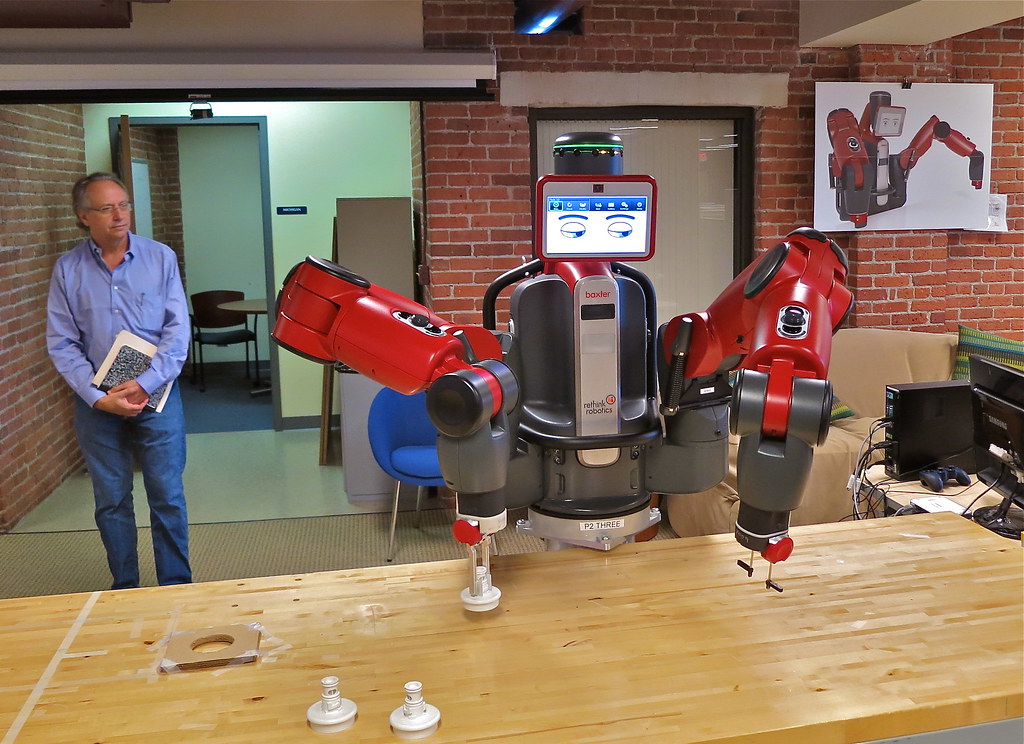
Apple’s first robot is a significant endeavor for the tech giant, highlighting the challenges and complexities involved in robotics development.
Overview of Apple’s Robotics Project
Apple’s first robot project marks a significant step in the tech giant’s evolution, showcasing a blend of innovation and ambition. As the company navigates the complexities of robotics, it aims to integrate automation into its manufacturing processes. This endeavor is not without its challenges, as Apple seeks to balance efficiency with its commitment to quality.
The robotics initiative is driven by several key objectives:
- Streamlining Production: The introduction of robotics is expected to enhance production speed and accuracy.
- Reducing Costs: By automating certain processes, Apple aims to lower operational costs in the long run.
- Enhancing Precision: Robots can perform tasks with a level of precision that exceeds human capabilities, crucial for Apple’s intricate designs.
However, the journey to develop Apple’s first robot is fraught with obstacles. Engineers must overcome technical limitations, ensure safety standards are met, and address potential job displacement concerns. As Apple forges ahead, it remains committed to creating a seamless integration of robotics into its existing framework, reflecting its long-standing ethos of innovation and excellence.
Challenges in Creating Apple’s First Robot
As Apple embarks on the journey of creating its first robot, several challenges have emerged that could impact the project’s success. The complexity of robotic engineering, combined with Apple’s high standards for design and functionality, creates a unique set of hurdles.
One major challenge is the integration of advanced technologies. Apple aims to incorporate cutting-edge artificial intelligence to ensure the robot can perform tasks with precision and efficiency. However, developing algorithms that can process data in real-time and make decisions autonomously remains a daunting task.
Another significant obstacle is the need for seamless user interaction. Apple is renowned for its user-friendly products, and translating that ethos into a robotic form requires extensive testing and iteration. Achieving a balance between sophisticated functionality and intuitive usability is essential.
Additionally, the sustainability of the robot’s materials and energy consumption is under scrutiny. Apple is committed to environmental responsibility, and ensuring that the first robot aligns with its sustainability goals adds another layer of complexity.
In summary, the development of Apple’s first robot is fraught with challenges, including technological integration, user experience design, and sustainability issues, all of which must be navigated to achieve a successful outcome.
The Future of Robotics at Apple
As Apple embarks on its journey to integrate robotics into its product lineup, the future of robotics at Apple appears both promising and fraught with challenges. The development of Apple’s first robot is not merely about creating a functional machine; it is about redefining the way consumers interact with technology.
Apple has long been known for its innovative approach, and this new initiative aims to push the boundaries of what robots can achieve in everyday life. However, the road ahead is paved with hurdles. Key areas of focus for the robotics team include:
- User Experience: Crafting an intuitive interface that allows users to seamlessly engage with the robot.
- Safety Protocols: Ensuring that the robot operates safely within various environments, especially homes and workplaces.
- Integration with Existing Devices: Making sure that the robot can communicate effectively with other Apple products.
- Cost Efficiency: Developing the robot in a way that remains economically viable for consumers.
Apple’s first robot represents a significant step into the future of robotics, challenging the company to maintain its reputation for quality and innovation while navigating the complexities of this new frontier.
Comparing Apple’s Approach to Other Tech Giants
As Apple ventures into the world of robotics with its first robot, it faces unique challenges that set it apart from other tech giants. Unlike companies such as Boston Dynamics, which has made significant advancements in robotics, Apple’s approach is deeply rooted in its design philosophy and emphasis on user experience.
While many firms prioritize functionality and agility in their robotic designs, Apple tends to focus on seamless integration with its existing ecosystem. This means that Apple’s first robot must not only perform tasks efficiently but also align with the intuitive feel of its other products.
Moreover, Apple’s commitment to privacy and security presents additional hurdles. The company is known for its stringent data protection policies, which must be incorporated into the robot’s functionality. This contrasts sharply with other tech companies that may prioritize rapid development over privacy concerns.
In addition, Apple’s supply chain dynamics play a critical role. As seen with its first robot, the company must ensure that the necessary components are both innovative and scalable, a task that requires collaboration with various suppliers.
Overall, Apple’s unique philosophy and operational model create a distinct roadmap for its entry into the robotics realm, shaping how its first robot will navigate the competitive landscape.
Potential Applications of Apple’s First Robot
As Apple delves deeper into the world of robotics, the potential applications of Apple’s first robot are becoming increasingly intriguing. This innovative technology could transform several sectors, enhancing efficiency and productivity in ways that align with Apple’s vision of seamless integration and user experience.
Some potential applications include:
- Manufacturing Automation: Apple’s first robot could streamline production lines, reducing human error and increasing output. This would mark a significant leap in how Apple manages its supply chain.
- Logistics and Warehousing: The robot could assist in inventory management, facilitating the movement of products within warehouses and ensuring timely deliveries.
- Retail Operations: In stores, it might help in customer service roles, providing information and assistance to shoppers, thereby enhancing the retail experience.
- Home Automation: With the rise of smart home devices, Apple’s first robot could integrate with existing products, offering users a more cohesive smart home experience.
While the challenges remain significant, the successful deployment of Apple’s first robot could open the door to a new era of innovation, potentially reshaping how industries operate and interact with technology.
Expert Opinions on Apple’s Robotics Initiative
Experts in the field of robotics have weighed in on Apple’s ambitious project to develop its first robot, highlighting both the potential and the hurdles the company faces. According to Dr. Emily Chen, a robotics researcher at Stanford University, “Apple’s first robot could set a new standard for user-friendly automation, but achieving this will require overcoming significant technical challenges.”
Many professionals believe that Apple’s track record in design and user experience will play a crucial role. Mark Thompson, a veteran robotics engineer, stated, “Apple has a unique ability to integrate hardware and software seamlessly. If they can apply this to robotics, the result could be groundbreaking.”
However, experts also caution that the company might struggle with the complexities of machine learning and artificial intelligence. Lisa Grant, an industry analyst, noted, “While Apple excels in consumer electronics, the robotics domain demands a different approach, particularly when it comes to real-time decision-making.”
As Apple ventures into this new territory, many are eagerly awaiting the implications of its first robot not only for the tech industry but also for everyday consumers.
Timeline for Apple’s First Robot Release
The timeline for Apple’s first robot release is marked by a series of ambitious milestones and anticipated hurdles. Apple has been working tirelessly to integrate robotics into its product ecosystem, but the journey is anything but straightforward.
Initial reports suggest that a prototype of Apple’s first robot could be unveiled as early as late 2024. However, several factors may influence this timeline:
- Research and Development: Continuous improvements in AI and machine learning are crucial for the robot’s capabilities.
- Testing Phases: Extensive testing is required to ensure reliability and safety, which could extend the timeline significantly.
- Supply Chain Logistics: Establishing a robust supply chain for the components necessary for production remains a challenge.
- Regulatory Approvals: Navigating the regulatory landscape for robotics could further delay the rollout.
Despite these challenges, many industry experts remain optimistic about the potential of Apple’s first robot. They believe that, with Apple’s commitment to innovation and quality, the final product could redefine how consumers interact with technology in their daily lives.
What This Means for the Tech Industry
The emergence of Apple’s first robot marks a significant moment for the tech industry, underscoring a shift towards greater automation and innovation. As Apple ventures into robotics, it not only showcases its commitment to expanding its technological horizons but also sets a precedent for other companies to follow.
With this development, several implications arise for the industry:
- Increased Competition: As Apple joins the robotics sector, other tech giants may accelerate their own efforts in automation, leading to a surge in innovation.
- Investment in R&D: The focus on robotics may prompt increased investments in research and development, pushing boundaries in AI and machine learning.
- Job Market Dynamics: While robotics can enhance efficiency, it also raises questions about job displacement and the need for new skill sets in the workforce.
- Consumer Expectations: Apple’s reputation for creating user-friendly products may set new standards for the usability and design of robotic technologies.
Overall, Apple’s foray into robotics could redefine not just its product lineup but also the broader landscape of technology, compelling others to rethink their strategies in an increasingly automated world.
By jurvetson via Openverse
Read the original
Related stories
Musk wireless phone plan: The bold strategy to disrupt industry · Microblading Trend: The Worst Evolution in Beauty Practices · Japan anime market: Proven growth tops ¥4 trillion