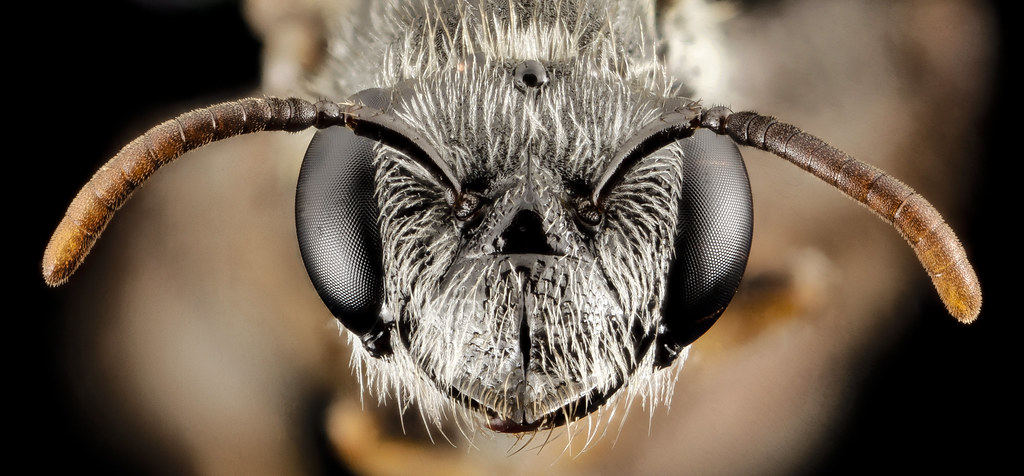
cellophane bees plastic is an innovative development that showcases how nature can inspire sustainable solutions. A recent study highlights the potential of these bees to produce a biodegradable form of plastic.
Introduction to Cellophane Bees
In the quest for sustainable alternatives to traditional plastics, researchers have recently turned their attention to an innovative solution known as cellophane bees plastic. These remarkable bees, which have been studied extensively, produce a unique type of plastic that not only meets the needs of various industries but also offers a significant environmental advantage: it decomposes over time.
Unlike conventional plastics that can take hundreds of years to break down, the plastic created by cellophane bees is designed to degrade naturally, reducing the burden of waste that plagues our planet. This breakthrough has the potential to revolutionize the way we think about packaging and other plastic products.
Key benefits of cellophane bees plastic include:
- Biodegradability: The plastic breaks down in a matter of months, not years.
- Sustainability: Utilizing natural processes to create materials reduces reliance on fossil fuels.
- Versatility: Suitable for various applications, from food packaging to consumer goods.
This exciting development highlights the potential of nature-inspired solutions in addressing the global plastic crisis.
The Science Behind Cellophane Bees
Cellophane bees, a unique species of pollinators, have been the subject of recent studies highlighting their remarkable ability to produce a biodegradable plastic. This innovative process not only aids in the reduction of waste but also introduces a sustainable alternative to traditional plastics. The science behind cellophane bees is fascinating and involves the transformation of natural materials into a plastic-like substance.
Researchers have discovered that these bees secrete a resin that can be manipulated to create a material resembling cellophane. This bioplastic is distinguished by its ability to degrade over time, offering a viable solution to the plastic waste crisis. The following points outline key aspects of this breakthrough:
- Biodegradability: Unlike conventional plastics, the material produced by cellophane bees breaks down naturally, reducing environmental impact.
- Natural Ingredients: The bees utilize plant resins and other organic materials, making the production process eco-friendly.
- Potential Applications: This biodegradable plastic can be used in various industries, from packaging to agriculture.
Overall, the discovery of cellophane bees and their plastic-producing capabilities presents an exciting opportunity for innovative waste reduction strategies.
How Cellophane Bees Create Plastic
Cellophane bees, an innovative creation in the realm of sustainable materials, are transforming the way we perceive plastic production. These unique organisms, inspired by the natural behavior of bees, utilize cellulose to create a biodegradable form of plastic. Unlike traditional plastic, which can take centuries to decompose, cellophane bees produce a substance that can break down within a matter of months, significantly reducing environmental impact.
The process begins with the bees extracting cellulose from various plant materials. This cellulose is then processed through a series of enzymatic reactions, allowing it to be molded into a plastic-like substance. The resulting product is not only lightweight and flexible but also retains many properties of conventional plastics.
Moreover, the cellophane bees plastic is designed to degrade when exposed to environmental factors such as sunlight and moisture. This characteristic makes it an attractive alternative for applications ranging from packaging to disposable items. As we continue to face the challenges of plastic pollution, the emergence of cellophane bees offers a promising solution, blending the efficiency of plastic production with the necessity of waste reduction.
Environmental Impact of Biodegradable Plastics
The environmental impact of biodegradable plastics is a pressing concern in today’s world, as traditional plastics continue to pollute ecosystems and harm wildlife. In recent studies, the innovation of cellophane bees plastic has emerged as a potential breakthrough in reducing plastic waste.
Unlike conventional plastics that can take hundreds of years to decompose, cellophane bees plastic is designed to break down more rapidly in natural environments. This characteristic offers a more sustainable alternative, addressing the urgent need for materials that minimize long-term ecological damage.
Research indicates that the use of biodegradable plastics like those produced by cellophane bees could lead to significant reductions in landfill waste. The unique composition of these materials allows them to degrade without releasing harmful toxins into the soil or waterways.
As consumers become increasingly aware of their environmental footprint, the demand for sustainable alternatives continues to grow. The adoption of cellophane bees plastic not only presents an eco-friendly solution but also encourages a broader shift towards responsible production and consumption practices.
Ultimately, embracing biodegradable options could pave the way for a cleaner, healthier planet for future generations.
Comparing Cellophane Bees to Traditional Plastics
As the world grapples with the overwhelming issue of plastic waste, the emergence of cellophane bees plastic offers a promising alternative to traditional plastic materials. Unlike conventional plastics, which can take hundreds of years to decompose, cellophane bees produce a type of biodegradable plastic that breaks down more rapidly and safely in the environment.
One significant difference between cellophane bees plastic and traditional plastics lies in their composition. Traditional plastics are derived from fossil fuels and are engineered to resist degradation, leading to long-lasting pollution. In contrast, cellophane bees create a plastic that is not only versatile but also designed to decompose naturally through microbial action.
Moreover, the production process of cellophane bees plastic is more sustainable, requiring fewer resources and emitting lower levels of greenhouse gases. This shift not only addresses the pressing need for eco-friendly packaging solutions but also promotes the use of renewable resources.
In summary, as consumers and industries increasingly prioritize sustainability, the unique properties of cellophane bees plastic may represent a viable solution in the fight against plastic pollution, setting a positive precedent for future innovations.
Future Implications for Plastic Production
The emergence of cellophane bees plastic presents a promising avenue for revolutionizing plastic production and addressing environmental concerns. As societies continue to grapple with the repercussions of plastic pollution, the development of biodegradable alternatives becomes increasingly urgent. Cellophane bees, through their unique biological processes, create a plastic that not only serves functional purposes but also degrades without leaving harmful residues behind.
In the future, we may see a significant shift in manufacturing practices as industries adopt cellophane bees plastic for various applications. The potential benefits include:
- Reduced Waste: With a biodegradable option available, the volume of plastic waste in landfills and oceans could dramatically decrease.
- Sustainable Production: Utilizing living organisms for plastic creation can lead to more eco-friendly manufacturing methods, lowering carbon footprints.
- Consumer Acceptance: As awareness of environmental issues grows, consumers may prefer products made from sustainable materials, further driving demand for cellophane bees plastic.
Ultimately, the integration of cellophane bees into the plastics industry could mark a pivotal shift towards a more sustainable future, aligning commerce with environmental stewardship.
Community Reactions to the Study
The recent findings regarding cellophane bees plastic have sparked a wave of reactions from environmentalists and community members alike. Many individuals express optimism about the potential for this innovative solution to address the ongoing plastic pollution crisis.
Local community activist Sarah Jennings stated, “The idea of using cellophane bees to create a degradable plastic is revolutionary. It offers a tangible way to reduce waste that has plagued our environment for decades.” Others echoed her sentiments, highlighting the importance of exploring alternatives to traditional plastics.
However, some people remain cautious. John Martinez, a local business owner, noted, “While I support innovations, I wonder about the scalability of cellophane bees plastic. Can we produce enough to make a significant impact?”
In forums and social media discussions, many are calling for further research and investment into cellophane bees technology. Community members believe that supporting such studies could lead to viable solutions for reducing plastic waste on a larger scale.
As discussions continue, the excitement surrounding cellophane bees plastic indicates a growing awareness of the need for sustainable alternatives in our daily lives.
Conclusion on Sustainable Solutions
In conclusion, the emergence of cellophane bees represents a significant breakthrough in the quest for sustainable solutions to plastic waste. As traditional plastics continue to contribute to environmental degradation, these innovative organisms offer a promising alternative. The ability of cellophane bees to produce a biodegradable form of plastic not only addresses the immediate concerns related to pollution but also opens up new avenues for eco-friendly materials.
Moreover, the research highlights the potential for scaling up production, which could lead to widespread adoption across various industries. By integrating cellophane bees into existing production processes, companies may reduce their reliance on conventional plastics and significantly lessen their environmental footprint.
While challenges remain in terms of commercialization and regulatory approval, the overall community response has been overwhelmingly positive. Many see this as a pivotal moment in the fight against plastic pollution. The transition towards materials derived from cellophane bees could redefine our approach to packaging and product design, ultimately paving the way for a more sustainable future.
As we move forward, it is crucial to continue supporting research and innovation in this field to ensure that the potential of cellophane bees plastic is fully realized.
By Sam Droege via Openverse