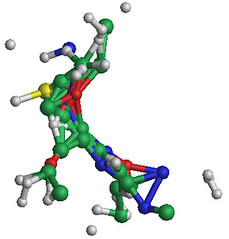
Gain-of-Function Engineering is at the forefront of scientific innovation, showcasing the development of a self-assembling nitrogenase through advanced techniques.
What is Gain-of-Function Engineering?
Gain-of-Function Engineering refers to a set of techniques used in molecular biology that enhance the capabilities of organisms or proteins by introducing new functions or improving existing ones. This approach often involves manipulating genetic material to produce desired traits, which can lead to significant advancements in various fields, including medicine and agriculture.
In a recent study, researchers successfully applied gain-of-function engineering to the NifEN scaffold, resulting in the creation of a self-assembling nitrogenase. This innovative nitrogenase has the potential to revolutionize nitrogen fixation processes, which are crucial for sustainable agriculture.
The implications of this breakthrough are profound, as it not only showcases the versatility of gain-of-function engineering but also opens new avenues for research and development in biotechnological applications.
- Enhanced nitrogen fixation
- Potential agricultural benefits
- Advancements in biochemistry
The Role of the NifEN Scaffold
The NifEN scaffold plays a crucial role in the realm of gain-of-function engineering, particularly in the development of self-assembling nitrogenases. This protein complex is essential for nitrogen fixation, a process vital for converting atmospheric nitrogen into a usable form for living organisms.
Through innovative engineering techniques, researchers have manipulated the NifEN scaffold to enhance its functionality. The modifications aim to improve the efficiency and stability of nitrogenase, which could have significant implications for agriculture and sustainable energy.
Key aspects of the NifEN scaffold’s role include:
- Facilitating the assembly of nitrogenase components.
- Enhancing enzymatic activity through structural modifications.
- Allowing for the incorporation of non-native substrates.
These advancements highlight the potential of gain-of-function engineering in the field of biochemistry and environmental science.
Benefits of Self-Assembling Nitrogenase
The recent advancements in gain-of-function engineering have led to the development of a self-assembling nitrogenase, which brings numerous benefits to both research and practical applications.
Some of the key advantages include:
- Enhanced efficiency: The self-assembling nature allows for faster and more efficient nitrogen fixation, which is crucial for sustainable agriculture.
- Reduced costs: By streamlining the assembly process, researchers can lower production costs, making nitrogenase more accessible for various industries.
- Environmental impact: Improved nitrogen fixation can lead to reduced reliance on chemical fertilizers, promoting eco-friendly farming practices.
- Broadened applications: The versatility of the self-assembling nitrogenase opens doors to new biotechnological innovations in energy and sustainable materials.
These benefits highlight the transformative potential of gain-of-function engineering in addressing global challenges.
Recent Advances in Biotechnology
Recent advances in biotechnology have highlighted the potential of gain-of-function engineering in enhancing enzyme functionality. Researchers have successfully manipulated the NifEN scaffold, which is critical for nitrogen fixation, to create a self-assembling nitrogenase with improved efficiency and stability. This innovative approach not only enhances our understanding of nitrogenase structure and function but also opens new avenues for agricultural applications.
Key developments in this field include:
- The design of novel protein complexes that facilitate nitrogen fixation more efficiently.
- The integration of synthetic biology tools to streamline the engineering process.
- Research into the environmental impact of enhanced nitrogen-fixing capabilities.
As these technologies continue to evolve, the implications for sustainable agriculture and environmental management are significant, promising a future where nitrogen fixation can be optimized for greater food security.
Photo by Icier Llido on Pexels