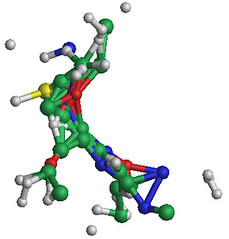
Chemical structure data is at the forefront of scientific research as Elsevier teams up with an AI firm to extract valuable information from academic papers.
Introduction to the Partnership
In a groundbreaking move, Elsevier has announced a strategic partnership with a leading AI firm aimed at revolutionizing the extraction of chemical structure data from scientific papers. This collaboration seeks to enhance the accessibility and usability of chemical information, which is essential for researchers and industry professionals alike.
The initiative stems from the increasing need for accurate and comprehensive data in the field of chemistry, where vast quantities of published research remain underutilized due to the challenges in data extraction. By leveraging advanced machine learning algorithms, the partnership intends to automate the identification and extraction of chemical structures from academic literature, thereby streamlining the research process.
Key objectives of this collaboration include:
- Improving the accuracy of data extraction processes
- Reducing the time researchers spend on manual data entry
- Facilitating access to extensive chemical databases for various applications
As the demand for high-quality chemical structure data continues to grow, this partnership positions Elsevier at the forefront of innovation in scientific publishing, ultimately benefiting the entire research community.
The Role of AI in Data Extraction
In the rapidly evolving landscape of scientific research, the integration of artificial intelligence (AI) has become crucial for enhancing data extraction processes. Elsevier’s collaboration with an AI firm marks a significant advancement in the extraction of chemical structure data from academic papers. This partnership aims to streamline the identification and analysis of complex molecular structures within vast databases of published research.
The AI technology employed is designed to accurately recognize and interpret chemical notations and diagrams, a task that can be both time-consuming and prone to error when performed manually. By utilizing machine learning algorithms, the system can learn from existing datasets, improving its ability to extract relevant information over time.
Key benefits of this AI-driven approach include:
- Increased Efficiency: Significantly reduces the time required to extract data, allowing researchers to focus on analysis and application.
- Enhanced Accuracy: Minimizes human error in data extraction, ensuring higher reliability in chemical structure data.
- Scalability: Capable of processing large volumes of documents swiftly, accommodating the growing body of scientific literature.
This innovative approach not only enhances productivity but also fosters collaboration across disciplines, ultimately accelerating scientific discovery.
Benefits of Enhanced Chemical Data
The partnership between Elsevier and the AI firm brings several significant benefits for researchers and scientists in the field of chemistry. By leveraging advanced artificial intelligence technologies, the extraction of chemical structure data from scientific papers becomes more efficient and accurate.
Some of the key advantages include:
- Increased Efficiency: The AI system can process vast amounts of literature at a speed that surpasses traditional methods, allowing researchers to access critical data more quickly.
- Improved Accuracy: AI algorithms are designed to reduce human error in data extraction, ensuring that the chemical structure data retrieved is precise and reliable.
- Enhanced Accessibility: With better extraction techniques, more researchers can access valuable information that may have previously been buried in complex texts, fostering collaboration and innovation.
- Streamlined Research Processes: The integration of AI tools allows scientists to focus more on analysis and discovery rather than manual data collection, accelerating the pace of research.
Overall, this partnership not only enhances the quality of chemical structure data but also revolutionizes the way scientists approach their research, paving the way for new discoveries in the field.
Implications for Researchers
The collaboration between Elsevier and the AI firm brings significant implications for researchers in the field of chemistry. With the advancement in extracting chemical structure data, scientists can expect a more efficient and accurate method for accessing essential information. This partnership aims to minimize the time researchers spend on data extraction, allowing them to focus on innovation and experimentation.
Through enhanced data retrieval, researchers will benefit in the following ways:
- Increased Efficiency: Automated processes will streamline the extraction of chemical structure data from a vast array of research papers, significantly reducing manual effort.
- Improved Accuracy: AI-driven technology can minimize human errors in data interpretation, leading to more reliable results.
- Broader Access: Researchers will have access to a wider pool of published literature, enabling comprehensive literature reviews and meta-analyses.
- Fostering Collaboration: With easier access to chemical structure data, interdisciplinary collaborations may flourish, as researchers from different fields can more readily find relevant information.
Overall, this partnership holds the promise of revolutionizing how chemical data is utilized in research, paving the way for groundbreaking discoveries.
Future of Academic Publishing
The future of academic publishing is poised for transformation as partnerships like the one between Elsevier and an AI firm reshape how researchers access and utilize chemical structure data. With the increasing complexity of scientific literature, traditional methods of data extraction are proving insufficient. This collaboration aims to leverage advanced artificial intelligence to streamline the extraction of pertinent information, making it more accessible to the global research community.
As AI technology evolves, it is expected to enhance not only the accuracy but also the speed of data processing, allowing researchers to focus more on interpretation and innovation rather than data gathering. The implications of this shift extend beyond mere convenience; they could lead to breakthroughs in drug discovery and materials science, where understanding chemical structures is fundamental.
Moreover, this partnership highlights a growing recognition of the importance of data interoperability. By standardizing chemical structure data, researchers can collaborate more effectively across disciplines, leading to richer insights and more impactful findings. As academic publishing continues to integrate AI solutions, the future landscape will likely be characterized by greater efficiency, collaboration, and transformative advancements in research methodologies.
Challenges in Data Extraction
The extraction of chemical structure data from academic papers presents several challenges that the partnership between Elsevier and the AI firm aims to address. One significant hurdle is the variability in how chemical data is presented across different publications. Researchers often use diverse formats, symbols, and notations, leading to inconsistencies that complicate automated data extraction.
Another challenge involves the sheer volume of literature available. With thousands of papers published annually, manually sifting through this information is impractical. Even advanced algorithms can struggle to accurately parse and interpret chemical structure data amid the noise of unrelated content.
Moreover, the presence of complex graphics and images in many articles can hinder effective data extraction. While textual data can be processed through natural language processing techniques, visual representations of chemical structures often require sophisticated image recognition capabilities that are still in development.
Finally, ensuring the accuracy and reliability of extracted data is crucial for researchers who depend on this information for their studies. Any errors in the chemical structure data could lead to flawed conclusions, making the implementation of robust validation processes essential.
Conclusion and Next Steps
In conclusion, the collaboration between Elsevier and the AI firm marks a significant advancement in the realm of chemical structure data. This partnership not only optimizes the extraction of valuable information from academic papers but also enhances the accessibility of chemical knowledge for researchers across various fields. As the academic landscape continues to evolve, the integration of artificial intelligence in data extraction will play a crucial role in streamlining research processes and fostering innovation.
Looking ahead, both parties are committed to refining the technology and expanding its capabilities. The next steps include:
- Continuous Improvement: Regular updates and enhancements to the AI algorithms to ensure accuracy and efficiency.
- Broader Database Integration: Collaborating with other databases to widen the scope of chemical structure data accessible to researchers.
- User Training: Developing resources and workshops to help researchers effectively utilize the new tools.
- Feedback Mechanisms: Establishing channels for user feedback to inform future developments.
As these initiatives unfold, the potential for transforming the landscape of academic publishing and research is immense, paving the way for deeper insights and discoveries in the field of chemistry and beyond.
By schoschie via Openverse
References
Chemistry World · Chemical structure diagram
Related reading
EC new app feature: Is it the best tool for SIR? · Sediment source prediction: Is it the best method for management? · Fossil Fuel Industry Benefits: What Are the Real Impacts?
