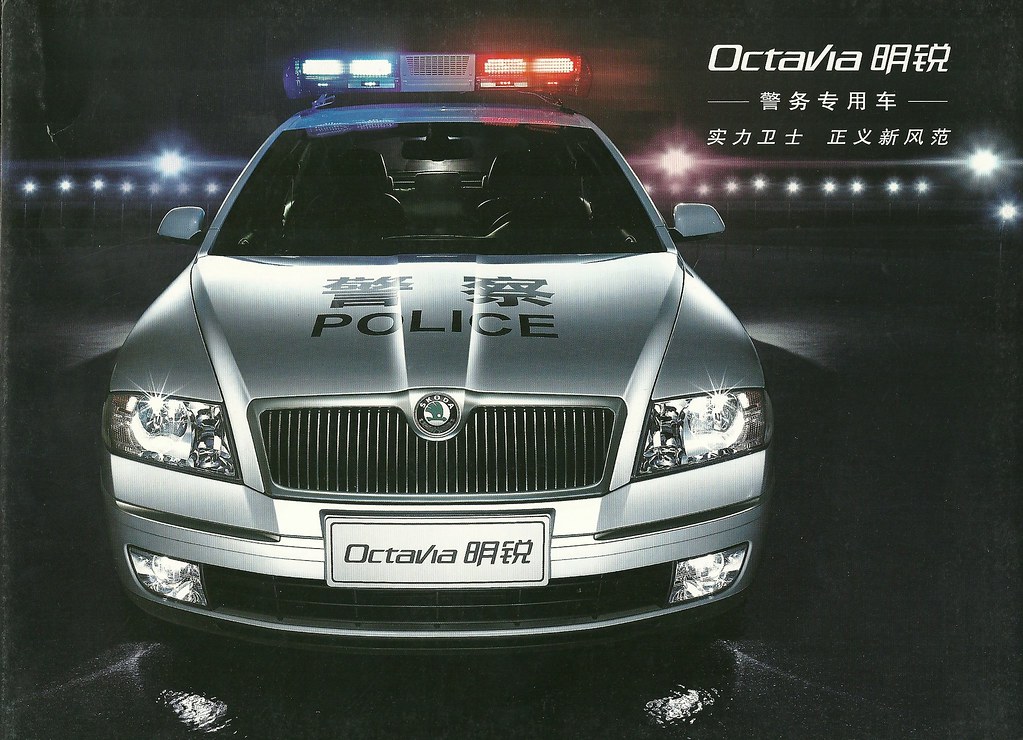
Cheaper cars selling fast is a trend that has emerged recently, indicating a shift in consumer preferences. As prices drop, buyers are eager to make purchases.
The Rise of Affordable Cars
The automotive market has recently witnessed a significant shift, with cheaper cars selling fast in response to changing consumer preferences and economic conditions. As inflation continues to affect household budgets, many buyers are turning towards more affordable options rather than luxury vehicles or higher-priced models.
Data from various dealerships indicate that the demand for budget-friendly cars has surged, causing them to sell considerably faster than at the beginning of the year. This trend is not only reshaping the sales landscape but also influencing manufacturers to focus more on producing vehicles that cater to the lower end of the market.
Several factors contribute to this rising trend:
- Economic Concerns: With rising living costs, consumers are more cautious about their expenditures.
- Increased Fuel Prices: Many buyers are looking for cars that offer better fuel efficiency, which often leads them to choose more economical options.
- Technology Improvements: Advances in technology have allowed manufacturers to produce cheaper cars that still maintain quality and safety standards.
- Incentives and Discounts: Dealerships often provide promotions on affordable models to attract buyers, making them more appealing.
As the market continues to evolve, it is clear that the trend of cheaper cars selling fast is likely to persist, offering consumers more options without the financial strain.
Why Are Cheaper Cars Selling Fast?
In recent months, the automotive market has seen a noticeable shift, with cheaper cars selling fast. Several factors contribute to this trend, making affordable vehicles increasingly appealing to a wide range of buyers.
- Economic Considerations: With rising interest rates and inflation affecting consumer budgets, many individuals are prioritizing affordability. Cheaper cars provide a solution without compromising essential features.
- Increased Demand for Used Vehicles: As new car prices continue to soar, buyers are turning to the used car market. This surge in demand for affordable options has accelerated the sales of cheaper cars.
- Fuel Efficiency: Rising gas prices have led consumers to seek vehicles with better fuel economy. Cheaper cars often offer impressive mileage, appealing to those looking to save on fuel costs.
- Insurance Costs: Lower-priced vehicles generally come with reduced insurance premiums, making them more financially feasible for budget-conscious buyers.
- Practicality and Reliability: Many consumers are gravitating towards models known for their reliability and low maintenance costs, further driving sales in the cheaper car segment.
As these factors converge, it is clear why cheaper cars are selling fast, making them a practical choice for many in today’s economic climate.
Consumer Demand for Budget Vehicles
As the automotive market continues to evolve, consumer demand for budget vehicles has surged dramatically. With rising living costs and economic uncertainty, many buyers are seeking cheaper cars that offer both affordability and reliability. This trend has led to a noticeable shift in purchasing behavior, as more shoppers prioritize cost-effectiveness over luxury features.
Several factors contribute to this growing interest in budget-friendly vehicles:
- Economic Pressures: Many households are tightening their budgets due to inflation and increasing expenses, pushing them to look for cheaper alternatives.
- Fuel Efficiency: Cheaper cars often come with better fuel efficiency, appealing to consumers looking to save money at the pump.
- Resale Value: Affordable models tend to maintain their value better in the current market, making them a smart investment for buyers.
- Increased Availability: Manufacturers are responding to the demand by producing and promoting more budget-friendly options, making these vehicles widely accessible.
As a result, cheaper cars are selling fast, reflecting a significant shift in consumer priorities. Buyers are no longer drawn solely to luxury brands; instead, they are favoring practical vehicles that meet their financial needs without sacrificing quality.
Market Trends in Car Sales
The automotive market has seen a significant shift in recent months, with cheaper cars selling fast as consumers prioritize affordability amidst economic uncertainties. Industry analysts report that the demand for budget vehicles has surged, driven by various factors influencing buyer behavior.
One of the notable trends is the increasing number of consumers opting to purchase used cars, as they offer a more economical alternative to new models. This shift is evident in the statistics, where sales of pre-owned vehicles have outpaced those of new cars. Moreover, dealerships are adapting to this trend by increasing their inventory of lower-priced options.
The rise in interest rates has also played a crucial role in shaping market dynamics. As financing becomes costlier, many buyers are seeking to minimize their monthly payments by choosing less expensive models. In addition, the stability of prices in the used car market has made it an attractive option for budget-conscious shoppers.
Furthermore, manufacturers are responding to this demand by introducing new models designed to be more affordable, ensuring they remain competitive in a rapidly evolving landscape. This has led to a greater variety of options for consumers looking for reliable yet cheaper cars.
As these trends continue, it is clear that the demand for affordable vehicles is not just a fleeting moment but rather a reflection of a changing economic environment and consumer priorities.
Impact of Economic Factors on Car Purchases
The current economic climate has significantly influenced consumer behavior in the automotive market. With rising inflation and fluctuating interest rates, many buyers are increasingly drawn to budget-friendly options. As a result, cheaper cars are selling fast, appealing to those looking to stretch their budgets further.
Several economic factors contribute to this trend:
- Inflation: As the cost of living increases, consumers are prioritizing essential purchases. This shift leads many to consider more affordable vehicles that can meet their needs without breaking the bank.
- Interest Rates: Higher interest rates on loans can deter individuals from purchasing high-end vehicles, making cheaper cars a more attractive option for budget-conscious buyers.
- Employment Trends: While unemployment remains low in many areas, wage growth has not kept pace with inflation, prompting consumers to reconsider their spending habits, especially for significant investments like cars.
- Supply Chain Issues: Ongoing supply chain disruptions have made it difficult for manufacturers to produce and deliver higher-end models, inadvertently boosting the appeal of more readily available, economical vehicles.
As these economic factors continue to evolve, the demand for cheaper cars is likely to remain strong, with many consumers seeking value and practicality in their automotive purchases.
Expert Opinions on Future Sales
Industry experts are weighing in on the current trend of cheaper cars selling fast, highlighting several factors that contribute to this phenomenon. According to automotive analyst Jane Doe, “The demand for budget-friendly vehicles has surged due to economic uncertainties, prompting many consumers to prioritize affordability over luxury.”
Market specialist John Smith emphasizes that this shift could reshape the automotive landscape. “As manufacturers respond to consumer demand, we may see an increase in the production of economical models, which could lead to even more options for buyers looking for cheaper cars,” he noted.
Additionally, expert Emily Johnson points out that the rise of electric and hybrid models at lower price points is also influencing sales. “The introduction of affordable electric vehicles not only attracts budget-conscious consumers but also supports sustainability efforts,” she said.
These insights suggest a lasting impact on the market, with experts predicting that the trend of cheaper cars selling fast will continue into the coming years. “As long as economic challenges persist, we can expect consumers to seek out and purchase more affordable cars,” stated Doe, reinforcing the notion that budget vehicles are here to stay.
In conclusion, the consensus among experts is clear: the demand for cheaper cars is not just a fleeting trend but a significant shift in consumer behavior shaped by current economic realities.
Tips for Buying a Cheaper Car
For those in the market for a vehicle, understanding how to navigate the landscape of cheaper cars selling fast can make a significant difference in saving money. Here are some valuable tips to consider when purchasing a budget-friendly car:
- Do Your Research: Investigate different models and their market prices. Online tools and resources can help you compare prices, features, and reviews.
- Consider Certified Pre-Owned: Buying a certified pre-owned vehicle can provide significant savings while still offering warranty coverage and reliability.
- Negotiate: Don’t be afraid to negotiate the price with dealers or private sellers. Many are willing to lower prices, especially for cheaper cars.
- Timing is Key: Shopping at the end of the month or during holiday sales can lead to better deals, as dealerships often aim to meet sales targets.
- Check Financing Options: Look for low-interest financing options or special promotions that can help lower overall costs.
- Test Drive Multiple Vehicles: Take the time to test drive different cheaper cars to see which one feels right for you and fits your budget.
By following these tips, buyers can increase their chances of finding affordable options in a competitive market where cheaper cars are selling fast.
Many buyers are discovering that cheaper cars selling fast can be a great way to save money while still getting a reliable vehicle. By following proven tips to save money, you can join the trend of cheaper cars selling fast in today’s market.
By Hugo-90 via Openverse